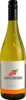
Winery Casa Américo625mts
 wine
wine
This wine generally goes well with
The 625mts of the Winery Casa Américo is in the top 0 of wines of Dão.

Details and technical informations about Winery Casa Américo's 625mts.
Discover the grape variety: Septimer
Aromatic and fragrant whites for early drinking, pale golden colour, ample mouth with moderate acidity, with muscat signature aromas, sweet spices, rose and Gewurztraminer notes (lychee). Exotic typicity. Grown on small surfaces in Germany for distinctive aromatic dry wines. German white grape bred in 1927 in Alzey by Georg Scheu (Müller-Thurgau x Gewürztraminer).
Last vintages of this wine


The best vintages of 625mts from Winery Casa Américo are 0
Informations about the Winery Casa Américo
The Winery Casa Américo is one of of the world's great estates. It offers 19 wines for sale in the of Dão to come and discover on site or to buy online.

The wine region of Dão
"Burgundy of Portugal": elegance and finesse at altitude. Signature Touriga Nacional as red: deep and perfumed with signature notes of violet, blackberry, black cherry, bergamot and pine resin, fine tannins and freshness drawn taut. Blended with fruity Alfrocheiro, supple Jaen (Mencía) and structured Tinta Roriz. Encruzado whites, a Portuguese reference: ample and mineral (pear, honey, hazelnut, age-worthy).
The wine region of Beiras
Vast region of north-central Portugal, a fragmented mosaic of distinct sub-regions. In the west, Bairrada makes dense Baga reds with notes of black cherry, blackberry and leather, firm tannins — the base of the great Portuguese sparkling wines. In the centre, Dao produces fine Touriga Nacional reds (violet, raspberry, spice) and elegant Encruzado whites (flowers, citrus, butter). To the continental east, fleshy Touriga of Beira Interior and aromatic Fernao Pires.
The word of the wine: Draft liquor (champagne)
After blending, the wine is bottled with a liqueur de tirage (a mixture of sugar and wine) and a yeast (selected yeasts). The yeast attacks the sugar and creates carbon dioxide. The fermentation, which lasts about two months, is prolonged by an ageing period (15 months minimum in total). The bottle is capped (some rare vintages are capped with a staple and a cork).