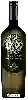
Winery CarputoFalanghina
 White wine


In the mouth this white wine is a powerful.
This wine generally goes well with vegetarian, appetizers and snacks or shellfish.
Taste structure of the Falanghina from the Winery Carputo
Light | Bold | |
Dry | Sweet | |
Soft | Acidic |
In the mouth the Falanghina of Winery Carputo in the region of Campania is a powerful.
Food and wine pairings with Falanghina
Pairings that work perfectly with Falanghina



Original food and wine pairings with Falanghina
The Falanghina of Winery Carputo matches generally quite well with dishes of shellfish, vegetarian or appetizers and snacks such as recipes of bouillabaisse like in marseille, zucchini quiche or chorizo rillettes.
Details and technical informations about Winery Carputo's Falanghina.
Discover the grape variety: Gamay de Chaudenay
Unlike its dyer congeners, Gamay de Chaudenay is said to have "white juice". It is a cross between white gouais and pinot noir that gave birth to this grape variety from the north of Lyon, and its alternative names are Olivette Beaujolaise, Gamay de Caudoz and Gamay d'Arcenant. It is a variety that buds early in the year and is susceptible to wood diseases and excoriosis. Its three-lobed, finely serrated leaves are almost round and hairless. The youngest leaves are slightly shiny and yellowish-green in color. The plant matures in the first late season and bears small clusters, winged or not, of cylindrical shape. These clusters contain medium-sized, ovoid, grayish-black berries. The skin provides a dark coloured pulp when ripe. When vinified, the Gamay de Chaudenay gives a wine that is low in tannin but rather colourful. Notes of spice and fruit characterize the warm but short-lived wines that emerge.
Last vintages of this wine
The best vintages of Falanghina from Winery Carputo are 2018, 2016, 0
Informations about the Winery Carputo
The Winery Carputo is one of of the world's greatest estates. It offers 10 wines for sale in the of Campania to come and discover on site or to buy online.

The wine region of Campania
Campania is a region that forms the "tibia" of the boot of Italy, and whose largest city is Naples. Its name comes from Campania felix, a Latin phrase meaning roughly "happy land". The region has strong historical links with wine and vineyards, dating back to the 12th century BC, and is one of the oldest wine regions in Italy. The considerable influence of ancient empires, including the Greeks, Romans and Byzantines, means that some of the varieties in this region are linked to historical legends.
The word of the wine: Breaking
Accident (oxidation or reduction) causing a loss of limpidity of the wine.