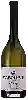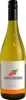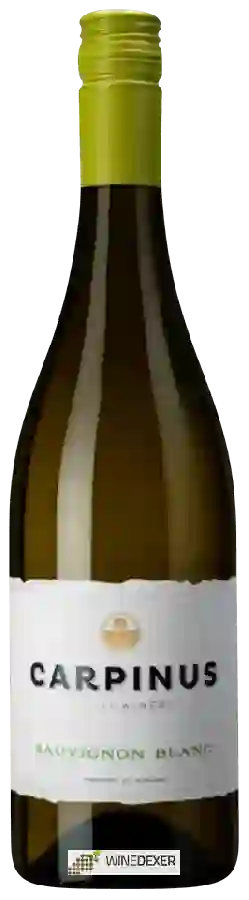
Winery CarpinusSauvignon Blanc
 White wine



This wine generally goes well with vegetarian, rich fish (salmon, tuna etc) or shellfish.
Food and wine pairings with Sauvignon Blanc
Pairings that work perfectly with Sauvignon Blanc



Original food and wine pairings with Sauvignon Blanc
The Sauvignon Blanc of Winery Carpinus matches generally quite well with dishes of rich fish (salmon, tuna etc), shellfish or vegetarian such as recipes of pasta with tuna, soy and shrimp noodles or quiche with leeks and fresh salmon from flo.
Details and technical informations about Winery Carpinus's Sauvignon Blanc.
Discover the grape variety: Mireille
A cross between Italia and Perle de Csaba, registered in 1972 in the Official Catalogue of cultivated table grape varieties, list A1. Mireille has been very little propagated and is therefore almost unknown in France and abroad. - Synonymy: no known synonyms (for all the synonyms of the varieties, click here!).
Last vintages of this wine
The best vintages of Sauvignon Blanc from Winery Carpinus are 2015, 0, 2016
Informations about the Winery Carpinus
The Winery Carpinus is one of of the world's greatest estates. It offers 16 wines for sale in the of Tokaj to come and discover on site or to buy online.

The wine region of Tokaj
Tokaj (formerly Tokaj-Hegyalja) has Long been Hungary's most famous and respected wine region, thanks mostly to its nectar-like, botrytized Tokaji dessert wines. The region and its wine are held in such esteem in Hungary that the national anthem thanks God for it: Tokaj szolovesszein nektárt csepegtettél - into the vineyards of Tokaj you dripped Sweet nectar The region is located in the northeast of Hungary, near the border with Slovakia. Comprising roughly 30 small towns and villages, it measures 40 kilometers (25 miles) from southwest to northeast, making it roughly the same Size as Burgundy's Côte d'Or. At its very southern edge is the town of Tokaj from which the region and its wines ultimate take their name.
The word of the wine: Yeast
Micro-organisms at the base of all fermentative processes. A wide variety of yeasts live and thrive naturally in the vineyard, provided that treatments do not destroy them. Unfortunately, their replacement by laboratory-selected yeasts is often the order of the day and contributes to the standardization of the wine. Yeasts are indeed involved in the development of certain aromas.