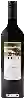
Winery Caroline de BeaulieuChâteau Gaubert Philharmonie Corbières
 Red wine
This wine generally goes well with beef, veal or pasta.

Food and wine pairings with Château Gaubert Philharmonie Corbières
Pairings that work perfectly with Château Gaubert Philharmonie Corbières



Original food and wine pairings with Château Gaubert Philharmonie Corbières
The Château Gaubert Philharmonie Corbières of Winery Caroline de Beaulieu matches generally quite well with dishes of beef, pasta or veal such as recipes of beef mironton, spaghetti with shrimp and cream or veal saltimbocca.
Details and technical informations about Winery Caroline de Beaulieu's Château Gaubert Philharmonie Corbières.
Discover the grape variety: Galotta
Intensely coloured and structured reds with a deep purple robe, firm tannins and a dense mouthfeel, with aromas of black fruits (blackberry, blackcurrant, plum), cherry, spices and floral notes. A profile between Italian Ancellotta and French Gamay. Grown in Swiss Romandy (Vaud, Valais, Geneva) and Ticino for modern blends and identity cuvées. A Swiss hybrid created in 1981 at Pully by André Jaquinet (Ancellotta × Gamay), valued for its colour and resistance.
Informations about the Winery Caroline de Beaulieu
The Winery Caroline de Beaulieu is one of wineries to follow in Corbières.. It offers 8 wines for sale in the of Corbières to come and discover on site or to buy online.

The wine region of Corbières
Largest AOC in Languedoc, 95% Mediterranean reds. Signature old-vine Carignan (up to 60%): fleshy reds with black fruit, garrigue, black olive, spice and tight tannins. Blended with round, sunny Grenache, peppery Syrah, dense Mourvèdre and supple Cinsault. A few fresh rosés and whites (Grenache Blanc, Roussanne).
The wine region of Languedoc-Roussillon
Largest single French vineyard, dominated by sunny, generous reds. Spicy Syrah, candied Grenache (ripe fruit, garrigue), structured Carignan, deep Mourvèdre, supple Cinsault. Stars: structured Corbières, Minervois, Faugères, Saint-Chinian; round Côtes-du-Roussillon. Legendary vins doux naturels: Banyuls and Maury (fortified Grenache) with notes of cocoa, fig, prune.
The word of the wine: Polyphenols
Substance contained essentially in the skin of the grape. The main ones are anthocyanins, which give red wines their colour and tannins.