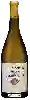
Winery CarivenCuvée Tradition
 Sparkling wine
This wine generally goes well with
Details and technical informations about Winery Cariven's Cuvée Tradition.
Discover the grape variety: Ignéa
Intraspecific cross between Delizia di Vaprio (46A Pirovano) and Angelo Pirovano ( 2 Pirovano) obtained in Italy by Angelo Pirovano. This variety is registered in the Official Catalogue of table grape varieties, list A1.
Informations about the Winery Cariven
The Winery Cariven is one of of the world's greatest estates. It offers 5 wines for sale in the of Limoux to come and discover on site or to buy online.

The wine region of Limoux
Limoux is a relatively New appellation (created in 2003) in the eastern Part of the Aude region of Southern France, which applies to both red and white wines. The vineyards extend around the town that gave it its name, in the foothills of the Pyrenees east of the Languedoc-Roussillon/corbieres">Corbières and south of Carcassonne. Historically, this region is best known for its Sparkling wines, which are produced and sold under the appellations of Blanquette de Limoux and Crémant de Limoux. The vineyards here are higher and cooler than those of any other appellation in the Languedoc-Roussillon, and also further away from the moderating temperature influences of the Mediterranean.
The wine region of Languedoc-Roussillon
Languedoc (formerly Coteaux du Languedoc) is a key appellation used in the Languedoc-Roussillon wine region of southern France. It covers Dry table wines of all three colors (red, white and rosé) from the entire region, but leaves Sweet and Sparkling wines to other more specialized appellations. About 75% of all Languedoc wines are red, with the remaining 25% split roughly down the middle between whites and rosés. The appellation covers most of the Languedoc region and almost a third of all the vineyards in France.
The word of the wine: Bâtonnage
A very old technique that has come back into fashion in modern oenology, which consists of shaking the white wine in the barrels at the end of fermentation, or after fermentation, with a stick or a flail, in order to suspend the fine lees composed of yeasts at the end of their activity. This process is sometimes used for red wines.