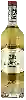
Château CarbonnièrePessac-Leognan
 White wine



This wine generally goes well with
Details and technical informations about Château Carbonnière's Pessac-Leognan.
Discover the grape variety: Tinta da Madeira
Portuguese, more precisely from the island of Madeira where it is still the most cultivated. It can be found in the United States (California), in Spain, etc. In France, it is practically unknown. Its parents are Grenache and Pinot Noir, an intraspecific cross obtained over two hundred years ago. It should be noted that this variety is the father of the egiodola.
Informations about the Château Carbonnière
The Château Carbonnière is one of of the world's greatest estates. It offers 2 wines for sale in the of Pessac-Léognan to come and discover on site or to buy online.

The wine region of Pessac-Léognan
The wine region of Pessac-Léognan is located in the region of Graves of Bordeaux of France. Wineries and vineyards like the Château Haut-Brion or the Château Haut-Brion produce mainly wines red, white and pink. The most planted grape varieties in the region of Pessac-Léognan are Cabernet-Sauvignon, Merlot and Cabernet franc, they are then used in wines in blends or as a single variety. On the nose of Pessac-Léognan often reveals types of flavors of pineapple, mango or chalk and sometimes also flavors of pomegranate, green bell pepper or dried rose.
The wine region of Bordeaux
Bordeaux, in southwestern France, is one of the most famous, prestigious and prolific wine regions in the world. The majority of Bordeaux wines (nearly 90% of the production Volume) are the Dry, medium and Full-bodied red Bordeaux blends for which it is famous. The finest (and most expensive) are the wines of the great châteaux of Haut-Médoc and the right bank appellations of Saint-Émilion and Pomerol. The former focuses (at the highest level) on Cabernet Sauvignon, the latter on Merlot.
The word of the wine: Discharge
In the traditional method, elimination of the yeast deposit formed during the second fermentation in the bottle.