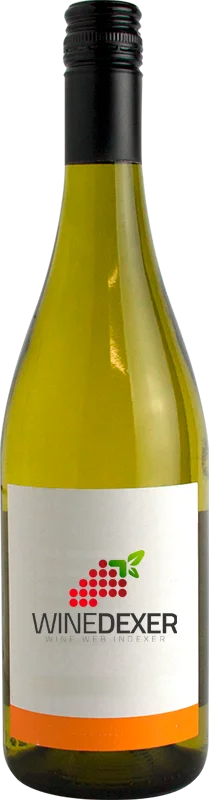
Winery Cantine ImperatoreIl Quarto Colore
 White wine


In the mouth this white wine is a powerful.
This wine generally goes well with vegetarian, appetizers and snacks or shellfish.
Taste structure of the Il Quarto Colore from the Winery Cantine Imperatore
Light | Bold | |
Dry | Sweet | |
Soft | Acidic |
In the mouth the Il Quarto Colore of Winery Cantine Imperatore in the region of Puglia is a powerful.
Food and wine pairings with Il Quarto Colore
Pairings that work perfectly with Il Quarto Colore



Original food and wine pairings with Il Quarto Colore
The Il Quarto Colore of Winery Cantine Imperatore matches generally quite well with dishes of shellfish, vegetarian or appetizers and snacks such as recipes of phad thai (thai style fried noodles), light tuna-tomato quiche (without cream) or happy new year bites.
Details and technical informations about Winery Cantine Imperatore's Il Quarto Colore.
Discover the grape variety: Courbu noir
Courbu noir is a grape variety with red and bronze leaves. It originates from the Pyrenean vineyards where it occupies a little more than one hectare. It is completely different from the white Courbu. The adult leaves have five lobes and a petiolar sinus. The berries of the Courbu Noir are round. The berries are small, as are the clusters. The beginning of the veins and the petiolar point are red. The shoots of this grape variety bend to form a parasol. To hope for a significant harvest, it is important to prune it long. Its budburst period begins 3 days after Chasselas. As for its maturity, it is the third period. This variety is very sensitive to oidium, but it does not fear mildew very much. It produces light and fine wines. It is not very colourful and does not contain enough alcohol. Courbu Noir has two approved clones, 728 and 729.
Last vintages of this wine
The best vintages of Il Quarto Colore from Winery Cantine Imperatore are 0
Informations about the Winery Cantine Imperatore
The Winery Cantine Imperatore is one of of the world's greatest estates. It offers 12 wines for sale in the of Puglia to come and discover on site or to buy online.

The wine region of Puglia
Puglia (Apulia to many English speakers) is a Long, slender wine region in the extreme Southeast corner of Italy's "boot". To use the shoe analogy often used to illustrate the shape of Italy, Apulia extends from the tip of the heel to the mid-calf, where the spur of the Gargano Peninsula juts out into the Adriatic Sea. The heel (the Salento peninsula) occupies the southern half of the region and is of great importance for the identity of Puglia. Not only are there cultural and geographical differences from Northern Puglia, but the wines are also different.
The word of the wine: Aqueous
Said of a diluted wine for which one has the impression that water has been added.