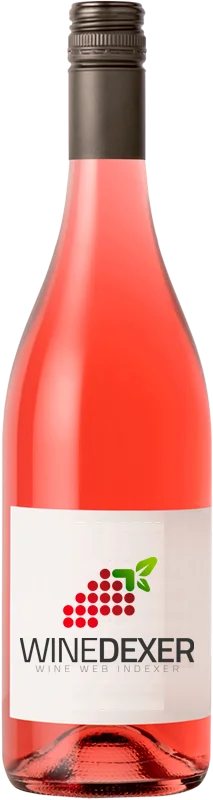
Winery Cantina Li SeddiRosamarina Cannonau di Sardegna Rosado
 Pink wine


This wine generally goes well with

Details and technical informations about Winery Cantina Li Seddi's Rosamarina Cannonau di Sardegna Rosado.
Discover the grape variety: Mourisco
Light, fruity reds with a clear ruby hue, smooth tannins and an airy palate; signature aromas of red fruits (cherry, raspberry), gentle spices and floral notes. Airy style, adding freshness to blends. A traditional component of Douro DOC and Port blends, bringing freshness and aromas to great fortified wines. Native Portuguese black grape from the Douro, cultivated in decreasing quantities but preserved.
Last vintages of this wine

The best vintages of Rosamarina Cannonau di Sardegna Rosado from Winery Cantina Li Seddi are 2018, 0, 2016
Informations about the Winery Cantina Li Seddi
The Winery Cantina Li Seddi is one of of the world's greatest estates. It offers 7 wines for sale in the of Cannonau di Sardegna to come and discover on site or to buy online.

The wine region of Cannonau di Sardegna
Sardinian DOC covering the whole island (since 1972), kingdom of Cannonau (local Grenache, ~7,500 ha). Warm, sun-drenched reds with signature ripe cherry, candied plum, garrigue, wild myrtle, Mediterranean herbs and a sweet spice touch, round tannins and a generous, alcoholic palate — the soul of Sardinia. Riserva oak-aged versions, denser Superiore, sweet fortified Liquoroso. Spanish origin (Crown of Aragon).
The wine region of Sardinia
Italian Mediterranean wine island with 250+ varieties, strong native identity. Signature Cannonau (Grenache) in red: warm and deep with signature ripe cherry, garrigue, myrtle, spice and a balsamic touch, round tannins and a sun-drenched palate. Vermentino di Gallura DOCG star white (80% of Italian Vermentino): fresh and saline (citrus, pear, almond, sea iodine). Also dense Carignan, supple Monica, lively Nuragus, rare oxidative Vernaccia di Oristano.
The word of the wine: Concentrate
Said of a wine that is rich in all its components (sugars in sweet wines, tannins in red wines, aromatic compounds) and that leaves an impression of density, intensity and depth.