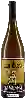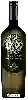
Winery CanliberoShiro
 White wine
In the mouth this white wine is a powerful.
This wine generally goes well with vegetarian, appetizers and snacks or shellfish.
Taste structure of the Shiro from the Winery Canlibero
Light | Bold | |
Dry | Sweet | |
Soft | Acidic |
In the mouth the Shiro of Winery Canlibero in the region of Campania is a powerful.
Food and wine pairings with Shiro
Pairings that work perfectly with Shiro



Original food and wine pairings with Shiro
The Shiro of Winery Canlibero matches generally quite well with dishes of shellfish, vegetarian or appetizers and snacks such as recipes of violet omelette, quiche with bacon and gruyère cheese or tapenade.
Details and technical informations about Winery Canlibero's Shiro.
Discover the grape variety: Bayan shirei
This vine is most certainly finding its first origins in Azerbaijan. It can be found in many other Eastern countries such as Armenia, Uzbekistan, Georgia, Dagestan, Kazakhstan, Ukraine, Russia, ... totally unknown in France.
Informations about the Winery Canlibero
The Winery Canlibero is one of of the world's greatest estates. It offers 11 wines for sale in the of Campania to come and discover on site or to buy online.

The wine region of Campania
Campania is a region that forms the "tibia" of the boot of Italy, and whose largest city is Naples. Its name comes from Campania felix, a Latin phrase meaning roughly "happy land". The region has strong historical links with wine and vineyards, dating back to the 12th century BC, and is one of the oldest wine regions in Italy. The considerable influence of ancient empires, including the Greeks, Romans and Byzantines, means that some of the varieties in this region are linked to historical legends.
The word of the wine: ODG
Organisation for the defence and management of wine, set up following the reform of the "syndicats de crus". The ODG is the collective organisation responsible for the defence and management of a product under an official sign of identification and quality and between wine appellations.