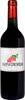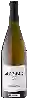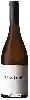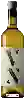
Winery Can PixaBlanco
 White wine


This wine generally goes well with
Wine flavors and olphactive analysis

Details and technical informations about Winery Can Pixa's Blanco.
Discover the grape variety: Castets
Castets noir is a grape variety that originated in France (South West). It produces a variety of grape specially used for wine making. It is rare to find this grape to eat on our tables. This variety of grape is characterized by medium to large bunches, and small grapes. Castets noir can be found cultivated in these vineyards: South West, Cognac, Bordeaux, Provence & Corsica, Rhone Valley.
Last vintages of this wine
The best vintages of Blanco from Winery Can Pixa are 0
Informations about the Winery Can Pixa
The Winery Can Pixa is one of of the world's greatest estates. It offers 3 wines for sale in the of Penedès to come and discover on site or to buy online.

The wine region of Penedès
The wine region of Penedès is located in the region of Catalogne of Spain. Wineries and vineyards like the Domaine Parés Baltà or the Domaine Enric Soler produce mainly wines white, red and sparkling. The most planted grape varieties in the region of Penedès are Xarello, Cabernet-Sauvignon and Merlot, they are then used in wines in blends or as a single variety. On the nose of Penedès often reveals types of flavors of cherry, red cherry or bergamot and sometimes also flavors of chamomile, earl grey tea or eucalyptus.
The wine region of Catalogne
Catalonia (Catalunya in Catalan and Cataluña in Spanish) is an autonomous community in the Northeast of Spain. It extends from the historic county (comarca) of Montsia in the South to the border with France in the north. The Mediterranean Sea forms its eastern border and offers 580 km of coastline. The Catalunya D.
The word of the wine: Performance
Quantity of grapes harvested per hectare. In AOC, the average yield is limited on the proposal of the appellation syndicate, validated by the Inao. The use of high-performance plant material (especially clones) and better control of vine diseases have increased yields. This is not without consequences on the quality of the wines (dilution) and on the state of the market (too much wine). We must not over-simplify: low yields are not synonymous with quality, and it is often in years with generous harvests that we find the greatest vintages (1982 and 1986 in Bordeaux, 1996 in Champagne, 1990 and 2005 in Burgundy...).