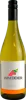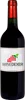
Domaine du Burignon - Château RochefortAbbaye de Mont Rosé
 Pink wine
This wine generally goes well with

Details and technical informations about Domaine du Burignon - Château Rochefort's Abbaye de Mont Rosé.
Discover the grape variety: Limnio
Structured, elegant reds with a deep ruby colour, firm, smooth tannins and an ample palate with fresh acidity, signature aromas of red fruits (cherry, raspberry), Mediterranean herbs (thyme, rosemary) and saline iodine notes. Ageing potential. Star of the great reds of the Aegean islands, especially on Limnos. Indigenous Greek black variety, one of the oldest cited (by Hesiod and Aristotle).
Informations about the Domaine du Burignon - Château Rochefort
The Domaine du Burignon - Château Rochefort is one of of the world's great estates. It offers 47 wines for sale in the of La Côte to come and discover on site or to buy online.

The wine region of La Côte
Largest Vaud wine appellation (52% of the canton), 2,007 ha arcing around Lake Geneva between Geneva and Lausanne. Signature Chasselas (90% of the traditional vineyard): lively, fruity whites with signature notes of white flowers, citrus, fresh almond and gunflint, taut, mineral palate — the Swiss aperitif wine par excellence. Also fine silky Pinot Noir, fruity Gamay in red. 14 AOC villages including Fechy, Mont-sur-Rolle, Luins.
The wine region of Vaud
World reference for Chasselas (~60% of the vineyard). Mineral, delicate whites with signature notes of green apple, citrus, white flowers, fresh almond and a saline touch, low acidity and a silky palate. Maximum expression in Lavaux (UNESCO 2007) on Lake Geneva terraces. Also La Côte, Chablais and the iconic Dézaley.
The word of the wine: Interknot
Botanical term for the interval between two nodes or between two leaf insertions on a branch (see merithallus).