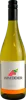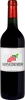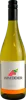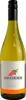
Winery BürgerspitalRotling Feinherb
 Pink wine


This wine generally goes well with
The Rotling Feinherb of the Winery Bürgerspital is in the top 30 of wines of Würzburg.

Details and technical informations about Winery Bürgerspital's Rotling Feinherb.
Discover the grape variety: Braucol
Structured, intensely coloured reds with a deep ruby colour, firm tannins and a dense palate, showing signature aromas of black fruits (blackberry, blackcurrant), red pepper, spices, pepper, aromatic herbs and earthy notes. Fine ageing potential with a strong, authentic character. Star of Gaillac AOC, Marcillac AOC, Estaing AOC and Entraygues-Le Fel AOC. Synonym of Fer Servadou, indigenous French variety of the south-western Aveyron and Tarn.
Last vintages of this wine
The best vintages of Rotling Feinherb from Winery Bürgerspital are 0
Informations about the Winery Bürgerspital
The Winery Bürgerspital is one of of the world's great estates. It offers 93 wines for sale in the of Würzburg to come and discover on site or to buy online.

The wine region of Würzburg
Wine capital of Franconia (Bavaria) on the Main river, heart of the Maindreieck. Silvaner is the signature white (the "king of Franken", cultivated here for over 350 years): dry and mineral with discreet green apple, pear, citrus, fresh herbs, almond and a chalky note, taut palate and saline finish — grown on red sandstone, shell limestone and Keuper soils. Müller-Thurgau, Bacchus, Riesling and Kerner complement. Legendary vineyard: Würzburger Stein.
The wine region of Franken
Homeland of German Silvaner: dry, straight, mineral and lively whites with notes of green apple, citrus, fresh herbs and a saline touch, planted here for over 350 years (1,500 ha, a quarter of the vineyard). Also supple, floral Müller-Thurgau, taut Riesling, aromatic Bacchus. Some discreet reds (Spätburgunder). 6,040 ha in Bavaria along the Main around Würzburg, red sandstone and shell-limestone soils.
The word of the wine: Methuselah
Bottle with a capacity of 6 litres (synonymous with imperial).