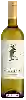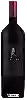
Winery La Bourse du VinCuvée Valentine L'Amourette
 Red wine
This wine generally goes well with beef, veal or pasta.
Food and wine pairings with Cuvée Valentine L'Amourette
Pairings that work perfectly with Cuvée Valentine L'Amourette



Original food and wine pairings with Cuvée Valentine L'Amourette
The Cuvée Valentine L'Amourette of Winery La Bourse du Vin matches generally quite well with dishes of beef, pasta or veal such as recipes of fleischnacka leaf, spaghetti with beef balls or curried veal roulades.
Details and technical informations about Winery La Bourse du Vin's Cuvée Valentine L'Amourette.
Discover the grape variety: Madeleine angevine
Resulting from a sowing carried out in 1857 in Angers (Maine and Loire Valley) by Jean-Pierre Vibert and from 1863 marketed by the Moreau-Robert company. According to genetic analyses, this variety is the result of a cross between the royal madeleine and the blanc d'ambre. It has been used very often by hybridizers, the Csaba pearl being a good example. This variety is found in the United States (Washington), Germany and England, where it is vinified and its wine appreciated. - Synonymy: Angevine (for all the synonyms of the varieties, click here!).
Informations about the Winery La Bourse du Vin
The Winery La Bourse du Vin is one of of the world's greatest estates. It offers 8 wines for sale in the of Pays d'Oc to come and discover on site or to buy online.

The wine region of Pays d'Oc
Pays d'Oc is the PGI for red, white and rosé wines that are produced over a wide area of the southern coast of France. The PGI catchment area corresponds roughly to the Languedoc-roussillon">Languedoc-Roussillon wine region, one of the largest wine regions in France. The area covers all wines that are not produced under the strict laws that govern AOC-level appellations in the regions: among them, Corbières, Minervois and the Languedoc appellation itself. The Pays d'Oc PGI is arguably the most important in France, producing the majority of the country's PGI wines.
The word of the wine: Premier cru
In Burgundy, third level of classification (above the regional and communal appellations), designating the wines produced on delimited parcels (climats) whose name is added to the communal appellation. The climats classified as first growths are 635.