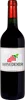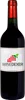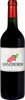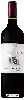
Winery Bosc Pere & FilsPetit Mirande
 Red wine
This wine generally goes well with
The Petit Mirande of the Winery Bosc Pere & Fils is in the top 30 of wines of Montagne-Saint-Émilion.

Details and technical informations about Winery Bosc Pere & Fils's Petit Mirande.
Discover the grape variety: Cacaboué
Simple, fresh dry whites with a pale golden robe, a supple palate with moderate acidity and undemonstrative aromas of citrus and white flowers. Discreet rustic profile. Almost extinct, preserved in INRAE varietal collections, testament to the pre-phylloxera ampelographic diversity of the Southwest and studied for its genetic interest. Rare French white grape formerly cultivated in the Southwest.
Informations about the Winery Bosc Pere & Fils
The Winery Bosc Pere & Fils is one of of the world's greatest estates. It offers 9 wines for sale in the of Montagne-Saint-Émilion to come and discover on site or to buy online.

The wine region of Montagne-Saint-Émilion
Largest satellite of Saint-Émilion on the Bordeaux right bank (1,507 ha, AOC 1936): rich, silky reds dominated by Merlot (~75%, ripe fruit, velvety texture) with spicy Cabernet Franc (~20%) and Cabernet Sauvignon. Deep ruby robe, a nose of red and black fruits, pepper, undergrowth and plum, a structured tannic finish evolving towards leather and tobacco. Clay-limestone and gravel soils on plateau and slopes, an accessible alternative to Saint-Émilion for the everyday cellar.
The wine region of Bordeaux
World-renowned age-worthy reds, led by round Merlot (plum, black fruit) or firm Cabernet Sauvignon (blackcurrant, cedar, graphite), blended with Cabernet Franc and Petit Verdot for tannic structure. Structured Médoc and Graves, velvety Saint-Émilion and Pomerol. Also crisp dry whites (Sauvignon/Sémillon) and opulent sweet Sauternes with honey and candied fruit. A 110,000 ha Gironde vineyard, 65 appellations, cradle of the 1855 classified growths.
The word of the wine: Traditional method
Also known as the Champagne method, this is the elaboration of sparkling wines according to the second fermentation method in the bottle.