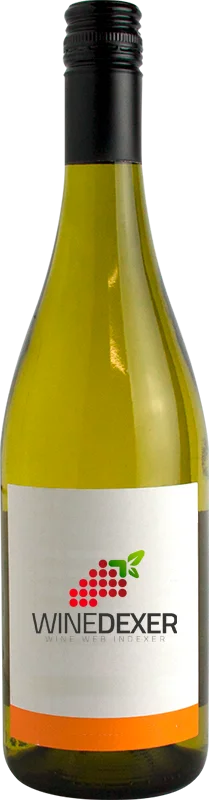
Winery Borgo GortaniPinot Grigio
 White wine



In the mouth this white wine is a .
This wine generally goes well with vegetarian, shellfish or mushrooms.

Taste structure of the Pinot Grigio from the Winery Borgo Gortani
Light | Bold | |
Dry | Sweet | |
Soft | Acidic |
In the mouth the Pinot Grigio of Winery Borgo Gortani in the region of Friuli-Venezia Giulia is a .
Food and wine pairings with Pinot Grigio
Pairings that work perfectly with Pinot Grigio


Original food and wine pairings with Pinot Grigio

The Pinot Grigio of Winery Borgo Gortani matches generally quite well with dishes of shellfish, vegetarian or mushrooms such as recipes of soupions à la provençale, salmon and goat cheese quiche or risotto with mushrooms.
Details and technical informations about Winery Borgo Gortani's Pinot Grigio.
Discover the grape variety: Malvasia di Sardegna
Structured and oxidative whites with fine ageing potential, amber in colour, an ample palate with fresh acidity, and signature aromas of roasted almonds, dried fruits (walnut, fig), candied citrus and rancio notes. Also as sweet passito liquoreux. Star of the Malvasia di Bosa DOC, expressing itself in complex sweet island wines and Sardinian passito. Malvasia variety grown in Sardinia, notably in Bosa and Cagliari.
Last vintages of this wine
The best vintages of Pinot Grigio from Winery Borgo Gortani are 0
Informations about the Winery Borgo Gortani
The Winery Borgo Gortani is one of of the world's greatest estates. It offers 8 wines for sale in the of Friuli-Venezia Giulia to come and discover on site or to buy online.

The wine region of Friuli-Venezia Giulia
Italian benchmark of great whites of elegance and minerality. Emblematic Friulano with notes of fresh almond, pear and white flowers, taut Ribolla Gialla, precise Pinot Grigio, lively Sauvignon and balanced Chardonnay. Rare sweet Picolit (DOCG), saline Malvasia Istriana. Rising reds: fruity spicy Refosco, more tannic Pignolo and Schioppettino.
The word of the wine: New
Said of a wine from the last harvest, and more particularly of an early wine.