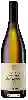
Winery Borc da VilaMalvasia
 White wine
In the mouth this white wine is a powerful.
This wine generally goes well with lean fish, shellfish or mature and hard cheese.

Taste structure of the Malvasia from the Winery Borc da Vila
Light | Bold | |
Dry | Sweet | |
Soft | Acidic |
In the mouth the Malvasia of Winery Borc da Vila in the region of Piedmont is a powerful.
Food and wine pairings with Malvasia
Pairings that work perfectly with Malvasia



Original food and wine pairings with Malvasia


The Malvasia of Winery Borc da Vila matches generally quite well with dishes of pasta, shellfish or mature and hard cheese such as recipes of pasta carbonara almost like the real thing, small cuttlefish a la plancha or escalopes savoyardes.
Details and technical informations about Winery Borc da Vila's Malvasia.
Discover the grape variety: Huxelrebe
Aromatic, muscaty whites with a golden robe, ample body, moderate acidity and signature notes of muscat, elderflower, exotic fruits and honey. Star of Spätlese, Auslese and botrytised Trockenbeerenauslese. Grown in Rhineland, England and Czechia for sweet and luscious whites; achieves noble rot reliably. White grape bred in 1927 by Georg Scheu in Alzey (chasselas × courtillier musqué).
Informations about the Winery Borc da Vila
The Winery Borc da Vila is one of of the world's greatest estates. It offers 3 wines for sale in the of Piedmont to come and discover on site or to buy online.

The wine region of Piedmont
Kingdom of Nebbiolo: Barolo and Barbaresco DOCG, long-ageing reds with firm tannins and lively acidity, complex aromas of withered rose, sour cherry, tar, truffle and undergrowth. More accessible, tangy Barbera on red fruit, supple, crisp Dolcetto. Sweet, floral sparkling Moscato d'Asti, mineral, lemony Gavi (Cortese) white, round, almondy Arneis from Roero. 50,000 ha across the Langhe, Roero and Monferrato, UNESCO.
The word of the wine: Rafle (taste of)
A taste considered a defect, characterized by an unpleasant astringency and bitterness, brought by the stalk during the vinification process. In order to avoid it, destemming before vinification is a common practice.