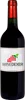
Winery Bois BoriesSaveurs d'Automne
 wine
wine
This wine generally goes well with
The Saveurs d'Automne of the Winery Bois Bories is in the top 0 of wines of Languedoc.

Details and technical informations about Winery Bois Bories's Saveurs d'Automne.
Discover the grape variety: Tressot
Light, fruity reds with a clear ruby colour, soft tannins and a supple palate, showing signature aromas of red fruits (cherry, raspberry), gentle spices and floral notes. Airy, northern profile to drink young. Preserved for its heritage value, it survives in a few patrimonial plots in Burgundy among the ancient varieties of northern Burgundy under study. Native black variety from Burgundy and the Yonne, today rare.
Informations about the Winery Bois Bories
The Winery Bois Bories is one of of the world's greatest estates. It offers 7 wines for sale in the of Languedoc to come and discover on site or to buy online.

The wine region of Languedoc
Sunny, generous southern reds: spicy, peppery Syrah, round, candied Grenache (ripe fruit, garrigue), deep Mourvèdre, structured Carignan, supple Cinsault. From robust Corbières and Minervois to fresher Terrasses du Larzac, via Faugères on schist or taut Pic Saint-Loup. Lively, iodised Picpoul de Pinet whites (oysters), ample Roussanne and Marsanne. 14 sub-appellations, ~10,000 ha in regional AOC.
The wine region of Languedoc-Roussillon
Largest single French vineyard, dominated by sunny, generous reds. Spicy Syrah, candied Grenache (ripe fruit, garrigue), structured Carignan, deep Mourvèdre, supple Cinsault. Stars: structured Corbières, Minervois, Faugères, Saint-Chinian; round Côtes-du-Roussillon. Legendary vins doux naturels: Banyuls and Maury (fortified Grenache) with notes of cocoa, fig, prune.
The word of the wine: Muscat blanc à petits grains
A white grape variety cultivated since antiquity on the shores of the Mediterranean, it is considered the noblest of the muscats. It is mainly used to make sweet wines, often from mutage. In France, it is the sole variety used in many natural sweet wines: muscat-de-frontignan, muscat-de-mireval, muscat-de-lunel, muscat-de-saint-jean-de-minervois, muscat-de-beaumes-de-venise, muscat-du-cap-corse. Combined with Muscat d'Alexandrie, it gives Muscat-de-Rivesaltes. It is also used to make sparkling white wines (clairette-de-die; moscato d'asti and asti spumante in Italy) and dry wines (alsace-muscat). Powerfully aromatic and complex, its wines evoke fresh grapes, roses, exotic fruits, citrus fruits and spices.