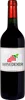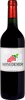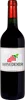
Bodegas San JoséVeredilla Rosado Joven
 wine
wine
This wine generally goes well with
The Veredilla Rosado Joven of the Bodegas San José is in the top 0 of wines of La Mancha.

Details and technical informations about Bodegas San José's Veredilla Rosado Joven.
Discover the grape variety: Cabernet-Volos
Deeply coloured, structured reds with a deep purple robe, firm tannins, an ample palate and preserved acidity; signature aromas of dark fruits (blackcurrant, blackberry), spices and herbal notes reminiscent of cabernet. Resistant to downy and powdery mildew. Grown in Switzerland, Germany and Belgium for modern organic vineyards in continental climates. Swiss black hybrid bred by Valentin Blattner in Soyhières (cabernet sauvignon × resistant).
Informations about the Bodegas San José
The Bodegas San José is one of of the world's greatest estates. It offers 5 wines for sale in the of La Mancha to come and discover on site or to buy online.

The wine region of La Mancha
World's largest contiguous wine area (190,000 ha), south of Madrid. Accessible, sunny wines: Tempranillo (here Cencibel) in full quality rise, supple reds with notes of ripe cherry, plum and spices; spicy Syrah, firm Cabernet Sauvignon, round Merlot. Light neutral Airén whites (75% of the vineyard), fresh Macabeo (Viura). Dry, hot continental climate, limestone and clay soils.
The wine region of Castille
Cradle of great Castilian reds, high-altitude plateaus (450-1000 m) along the Duero. Tempranillo king (aka Tinta de Toro, Tinto Fino): powerful, concentrated, structured reds with notes of black cherry, plum, leather, tobacco and spice, firm tannins from altitude and cool nights. Stars: Ribera del Duero (Vega Sicilia, Pingus), fleshy Toro, Bierzo (floral, mineral Mencía). Lively, herbaceous Verdejo whites from Rueda.
The word of the wine: Disgorging (champagne)
This is the evacuation of the deposit formed by the yeasts during the second fermentation in the bottle, by opening the bottle. The missing volume is completed with the liqueur de dosage - a mixture of wine and cane sugar - before the final cork is placed. For some years now, some producers have been replacing this sugar with rectified concentrated musts (concentrated grape juice) which give excellent results. A too recent dosage (less than three months) harms the gustatory harmony of the champagne.