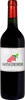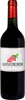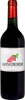
Bodegas Firmamento5 Estrellas
 Red wine


This wine generally goes well with

Wine flavors and olphactive analysis

On the nose the 5 Estrellas of Bodegas Firmamento in the region of North often reveals types of flavors of oak.
Details and technical informations about Bodegas Firmamento's 5 Estrellas.
Discover the grape variety: Seinoir
Simple, light, fruity reds with a pale ruby colour, silky tannins and an airy palate with moderate acidity. Understated aromas of red fruits. Discrete rustic profile. Nearly extinct, preserved in INRAE varietal collections for its heritage value; it reflects the pre-phylloxera ampelographic diversity of the French vineyard and is among the heritage varieties under study. A rare French black grape, once grown in the centre-east.
Last vintages of this wine

The best vintages of 5 Estrellas from Bodegas Firmamento are 2010, 0, 2017
Informations about the Bodegas Firmamento
The Bodegas Firmamento is one of of the world's greatest estates. It offers 7 wines for sale in the of Valle de Guadalupe to come and discover on site or to buy online.

The wine region of Valle de Guadalupe
Mexico's wine capital (~90% of national production) in Baja California: an eclectic Mediterranean palette — structured Cabernet Sauvignon (blackcurrant, cedar), supple Merlot, spicy Zinfandel in reds. Exceptional signature Nebbiolo (LA Cetto, one of the best outside Piedmont) with notes of cherry, rose, tar and firm tannins. Tempranillo, Sangiovese, Syrah complement. Chardonnay and Sauvignon in whites.
The wine region of North
North Israel encompasses Upper and Lower Galilee plus the Golan, vineyards at altitude on limestone soils, volcanic basalt and draining gravels, climate tempered by strong day-night swings. Cabernet Sauvignon, Merlot and Syrah are the signature reds — full-bodied and precise with notes of blackcurrant, black cherry, blackberry, garrigue and a mineral touch, ripe tannins and preserved freshness. Historic Carignan. Taut Chardonnay and lively Sauvignon in whites.
The word of the wine: Tanin
A natural compound contained in the skin of the grape, the seed or the woody part of the bunch, the stalk. The maceration of red wines allows the extraction of tannins, which give the texture, the solidity and also the mellowness when the tannins are "ripe". The winemaker seeks above all to extract the tannins from the skin, the ripest and most noble. The tannins of the seed or stalk, which are "greener", especially in average years, give the wine hardness and astringency. The wines of Bordeaux (based on Cabernet and Merlot) are full of tannins, those of Burgundy much less so, with Pinot Noir containing little.