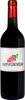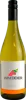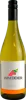
Bodegas CarrascasBlanco
 White wine



In the mouth this white wine is a powerful with a nice freshness.
This wine generally goes well with pork, vegetarian or shellfish.

Taste structure of the Blanco from the Bodegas Carrascas
Light | Bold | |
Dry | Sweet | |
Soft | Acidic |
In the mouth the Blanco of Bodegas Carrascas in the region of Castille is a powerful with a nice freshness.
Food and wine pairings with Blanco
Pairings that work perfectly with Blanco



Original food and wine pairings with Blanco

The Blanco of Bodegas Carrascas matches generally quite well with dishes of pork, shellfish or vegetarian such as recipes of rabbit in sauce, waterzooï of the sea or broccoli and blue cheese quiche without pastry.
Details and technical informations about Bodegas Carrascas's Blanco.
Discover the grape variety: Viognier
Opulent, heady whites, rich and silky, with intense aromas of apricot, yellow peach, mango, violet, honeysuckle and musky, honeyed notes. Discreet acidity, creamy finish. Star of Condrieu AOC and Château-Grillet AOC, co-vinified in Côte-Rôtie with Syrah (up to 20%). Widely exported to California (Central Coast), Australia (Eden Valley) and Languedoc. A Rhône variety.
Last vintages of this wine
The best vintages of Blanco from Bodegas Carrascas are 0
Informations about the Bodegas Carrascas
The Bodegas Carrascas is one of of the world's greatest estates. It offers 5 wines for sale in the of Castille to come and discover on site or to buy online.

The wine region of Castille
Cradle of great Castilian reds, high-altitude plateaus (450-1000 m) along the Duero. Tempranillo king (aka Tinta de Toro, Tinto Fino): powerful, concentrated, structured reds with notes of black cherry, plum, leather, tobacco and spice, firm tannins from altitude and cool nights. Stars: Ribera del Duero (Vega Sicilia, Pingus), fleshy Toro, Bierzo (floral, mineral Mencía). Lively, herbaceous Verdejo whites from Rueda.
The word of the wine: New wine
Wine of the year, fruity and easy to drink. Beaujolais Nouveau is not the only one in this category, the Côtes-du-Rhône, Touraine and Gaillac appellations also produce new wines.