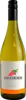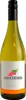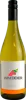
Bodega MontoroDry White
 wine
wine
This wine generally goes well with
The Dry White of the Bodega Montoro is in the top 0 of wines of La Gomera.

Details and technical informations about Bodega Montoro's Dry White.
Discover the grape variety: Famille des traminers
Aromatic and floral whites with a pale golden hue, an ample palate with moderate acidity, and signature aromas of rose, lychee, yellow fruits (peach), sweet spices and musky notes. Also sweet and luscious depending on the variety. Grown in Alsace (Gewurztraminer, Klevener), Germany, northern Italy and central Europe, they produce distinctive whites. Group of white grapes related to Traminer (Gewürztraminer, Savagnin, Klevener), originating from Tyrol.
Informations about the Bodega Montoro
The Bodega Montoro is one of of the world's greatest estates. It offers 3 wines for sale in the of La Gomera to come and discover on site or to buy online.

The wine region of La Gomera
Canary Islands DO (2003) covering the entire island of La Gomera, unique Atlantic vineyards spared by phylloxera (century-old ungrafted vines). Forastera Gomera is the exclusive signature indigenous white (75% of the vineyard, found nowhere else) — young and floral with lively citrus, white flowers, exotic fruits and a saline-volcanic touch. Listán Blanco, Malvasía and Marmajuelo as aromatic complements. Listán Negro and Negramoll in light, fruity reds.
The wine region of Iles Canaries
Spanish vineyard archipelago spared by phylloxera, ~50 grape varieties of which 20 unique worldwide. Black volcanic soils and sub-tropical oceanic climate. Listán Negro in light, spicy red with signature notes of red cherry, wild strawberry, smoke, pepper and a volcanic mineral touch, fine tannins — an atypical style. Supple Negramoll, fresh Listán Blanco (citrus, flowers), aromatic Malvasía (candied orange, honey) historically famous.
The word of the wine: Castle
A term often used to designate wineries, even if they do not have a real castle.