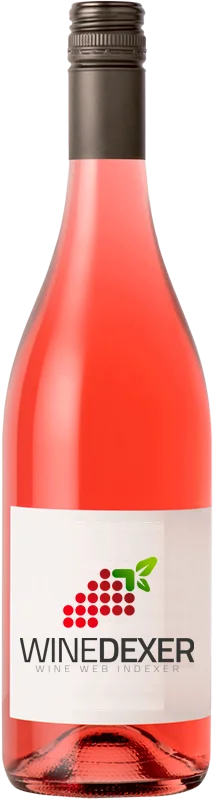
Winery Boavista da MataGrande Escolha Rosé
 Pink wine
This wine generally goes well with
Details and technical informations about Winery Boavista da Mata's Grande Escolha Rosé.
Discover the grape variety: Souvignier gris
Interspecific cross between Cabernet Sauvignon and Bronner obtained in 1983 by Norbert Becker in Freiburg (Germany). A resistance gene has been identified to oidium, no gene to mildew. It can be found in Germany, but also in Belgium, the Netherlands, Italy, ... and in France.
Informations about the Winery Boavista da Mata
The Winery Boavista da Mata is one of of the world's greatest estates. It offers 4 wines for sale in the of Vinho Verde to come and discover on site or to buy online.

The wine region of Vinho Verde
The wine region of Vinho Verde is located in the region of Minho of Portugal. We currently count 535 estates and châteaux in the of Vinho Verde, producing 1615 different wines in conventional, organic and biodynamic agriculture. The wines of Vinho Verde go well with generally quite well with dishes .
The wine region of Minho
Minho is Portugal's Northernmost wine region. It is known for one wine style above all others: crisp, light, white Vinho Verde, whose DOC zone covers the same territory. The Minho name is used for the area's Vinho Regional designation (similar to the French IGP). The latter's looser production laws allow more diversity in the average winery's portfolio, including red and rosé wines.
The word of the wine: Baco 22A
A white grape variety resulting from the hybridization of the folle blanche and the noah. It is the only hybrid to remain authorized in a French appellation vineyard, that of Armagnac, where it thrives in particular on the tawny sands of Bas-Armagnac. When distilled, its wine produces round, smooth and aromatic eaux-de-vie with hints of ripe fruit.