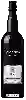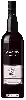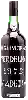
Winery Blandy's5 Year Old Bual Madeira (Medium Rich)
 Natural sweet wine



This wine generally goes well with

Details and technical informations about Winery Blandy's's 5 Year Old Bual Madeira (Medium Rich).
Discover the grape variety: Flame seedless
Seedless (pip-free) table grape with long clusters and red-purple seedless berries, thin skin and crunchy flesh, with a balanced sweet flavour. Early-ripening and productive. Very rarely vinified. Grown in California, Australia, Chile and South Africa for export markets, one of the world's most exported table grapes, prized for its appearance and keeping quality. American black seedless grape obtained in 1973 in California by complex crossing.
Last vintages of this wine
The best vintages of 5 Year Old Bual Madeira (Medium Rich) from Winery Blandy's are 2003, 0
Informations about the Winery Blandy's
The Winery Blandy's is one of of the world's great estates. It offers 37 wines for sale in the of Madeira to come and discover on site or to buy online.

The wine region of Madeira
Portuguese volcanic island in the heart of the Atlantic, kingdom of indestructible fortified wines. Mythical Madeira heated by estufagem with signature notes of dried fruits, walnut, caramel, coffee, candied orange and a long iodine note, vibrant preserved acidity. 4 noble grapes define the styles: Sercial (dry, taut), Verdelho (medium-dry, smoky), Bual (medium-sweet, honeyed), Malvasia (sweet, candied). Tinta Negra as the base.
The wine region of Terras Madeirenses
IGP for the still wines of Madeira (≠ DOC Madeira fortified), vineyards on terraces on the Atlantic island. Tinta Negra dominant in sunny reds and rosés with ripe red fruits, cherry and a spicy touch, round mouthfeel. Verdelho, Sercial, Bual and Malvasia (historic Madeira varieties) as taut white kings with citrus, dried fruits and a marked saline-maritime touch. Touriga Nacional and internationals (Cabernet, Syrah, Chardonnay) as complement.
The word of the wine: Lies
A deposit formed by dead yeast after fermentation. Some white wines are aged on their lees, which makes their aromas and structure more complex and richer.