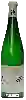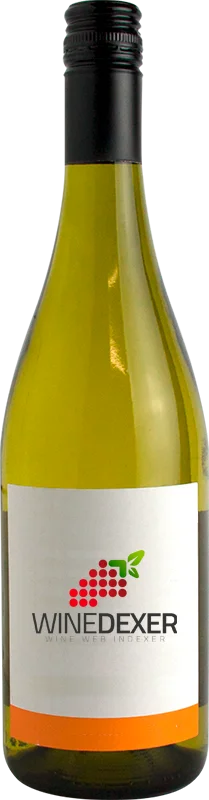
Winery Bernhard EifelWeisser Burgunder Trocken
 White wine


In the mouth this white wine is a with a nice freshness.
This wine generally goes well with rich fish (salmon, tuna etc), shellfish or mild and soft cheese.

Taste structure of the Weisser Burgunder Trocken from the Winery Bernhard Eifel
Light | Bold | |
Dry | Sweet | |
Soft | Acidic |
In the mouth the Weisser Burgunder Trocken of Winery Bernhard Eifel in the region of Mosel is a with a nice freshness.
Food and wine pairings with Weisser Burgunder Trocken
Pairings that work perfectly with Weisser Burgunder Trocken



Original food and wine pairings with Weisser Burgunder Trocken

The Weisser Burgunder Trocken of Winery Bernhard Eifel matches generally quite well with dishes of rich fish (salmon, tuna etc), shellfish or mild and soft cheese such as recipes of salmon steaks with cream sauce, californian sushi (reverse maki) or pizza cone.
Details and technical informations about Winery Bernhard Eifel's Weisser Burgunder Trocken.
Discover the grape variety: Guillemot
Simple, fresh dry whites with a pale golden colour, supple palate with moderate acidity, undemonstrative aromas of citrus and white flowers. Rustic, discreet profile. Almost disappeared from commercial cultivation, preserved in INRAE varietal collections, testament to the pre-phylloxera ampelographic diversity of French vineyards. Rare French white variety, once grown in western France.
Last vintages of this wine
The best vintages of Weisser Burgunder Trocken from Winery Bernhard Eifel are 0
Informations about the Winery Bernhard Eifel
The Winery Bernhard Eifel is one of of the world's great estates. It offers 46 wines for sale in the of Mosel to come and discover on site or to buy online.

The wine region of Mosel
Kingdom of lively, crystalline Riesling: citrus, green apple, gunflint, tangy tension and signature slate minerality. From light, fruity Kabinett to off-dry Spätlese, up to sweet Auslese and Trockenbeerenauslese of rare finesse. Some supple Müller-Thurgau and lively Elbling. Steeply sloped vineyards (up to 65% at the Bremmer Calmont) on blue and grey slate, 5,400 ha of Riesling (61.
The word of the wine: Plant
Smells present in certain wines and characteristic of the plant world. Heather, mint or blackcurrant leaf are considered pleasant, while herbaceous notes are considered a defect.