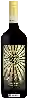
Winery Bernard-MassardRoyal Pétillant Blanc
 White wine


This wine generally goes well with
Details and technical informations about Winery Bernard-Massard's Royal Pétillant Blanc.
Discover the grape variety: Trepat
A very old grape variety found mainly in Catalonia (Spain), in the regions of Conca de Barbera and Costers del Segre, and also in the Balearic Islands, Murcia, Valencia, etc. It is said to be related to the white heben and has no link with the white trepat of Priorat. Before the phylloxera crisis, it could be found in Languedoc and Roussillon, which is no longer the case today, but it could be interesting for producing excellent and original rosé wines.
Last vintages of this wine
The best vintages of Royal Pétillant Blanc from Winery Bernard-Massard are 0
Informations about the Winery Bernard-Massard
The Winery Bernard-Massard is one of of the world's great estates. It offers 85 wines for sale in the of Côtes de Grevenmacher to come and discover on site or to buy online.

The wine region of Côtes de Grevenmacher
The wine region of Côtes de Grevenmacher is located in the region of Moselle of Luxembourg. Wineries and vineyards like the Domaine Bernard-Massard or the Domaine Bernard-Massard produce mainly wines white, pink and red. The most planted grape varieties in the region of Côtes de Grevenmacher are Pinot gris, Riesling and Auxerrois, they are then used in wines in blends or as a single variety. On the nose of Côtes de Grevenmacher often reveals types of flavors of earth, microbio or vegetal and sometimes also flavors of oak, tree fruit or citrus fruit.
The wine region of Moselle
The wine region of Moselle of Luxembourg. Wineries and vineyards like the Domaine Les Vignerons de la Moselle or the Domaine Les Vignerons de la Moselle produce mainly wines white, pink and red. The most planted grape varieties in the region of Moselle are Gewurztraminer, Pinot blanc and Pinot gris, they are then used in wines in blends or as a single variety. In the mouth of Moselle is a powerful with a nice freshness.
The word of the wine: Thinning
Also known as green harvesting, the practice of removing excess bunches of grapes from certain vines, usually in July, but sometimes later. This is often necessary, but not always a good thing, as the remaining bunches often gain weight.