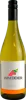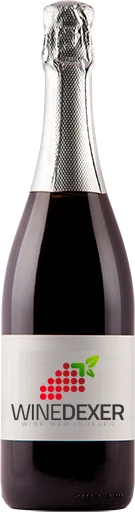
Winery Belle JardinBrut
 Sparkling wine



This wine generally goes well with rich fish (salmon, tuna etc) and shellfish.

Wine flavors and olphactive analysis

On the nose the Brut of Winery Belle Jardin in the region of Alsace often reveals types of flavors of apples, lemon or non oak and sometimes also flavors of microbio, tree fruit or citrus fruit.
Food and wine pairings with Brut
Pairings that work perfectly with Brut


Original food and wine pairings with Brut
The Brut of Winery Belle Jardin matches generally quite well with dishes of rich fish (salmon, tuna etc) or shellfish such as recipes of tuna and goat cheese pie or barbecued lobster.
Details and technical informations about Winery Belle Jardin's Brut.
Discover the grape variety: Pinot blanc
Round, supple whites with a soft palate, showing discreet aromas of apple, pear, fresh almond, white flowers and brioche notes. Moderate acidity, light finish. Star of Crémant d'Alsace (fine, taut sparkling) and base of Edelzwicker. Grown in Germany (Weissburgunder, Baden-Württemberg), northern Italy (Pinot Bianco, Alto Adige), Austria and Luxembourg. A white mutation of Pinot Noir.
Informations about the Winery Belle Jardin
The Winery Belle Jardin is one of of the world's greatest estates. It offers 6 wines for sale in the of Alsace to come and discover on site or to buy online.

The wine region of Alsace
Capital of great French aromatic whites, most often dry and single-varietal. Straight, mineral Riesling (lemon, gunflint), opulent, exuberant Gewurztraminer (lychee, rose, spices), round, smoky Pinot Gris, floral, crisp Muscat, supple Pinot Blanc. Fine, fruity Crémants d'Alsace, exceptional sweet Vendanges Tardives and Sélection de Grains Nobles. 15,500 ha at the foot of the Vosges on varied soils, 51 Grands Crus since 1975.
The word of the wine: Wooded
A set of aromas brought about by ageing in barrels (usually oak). This can be pleasant when, in small doses, it brings a touch of spice, roast or vanilla to an already constructed ensemble. When the violent woodiness dominates the wine, it is quickly tiring. Easily identifiable aromatically, it is sought after (to the point of abuse) by the makers of coarse wines. New World manufacturers and, alas, some French winemakers use oak chips to impart the woody taste, which is tantamount to artificial flavoring.