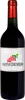
Winery Bella PiazzaChardonnay
 wine
wine
This wine generally goes well with
The Chardonnay of the Winery Bella Piazza is in the top 0 of wines of California Shenandoah Valley.

Details and technical informations about Winery Bella Piazza's Chardonnay.
Discover the grape variety: Sauvignac
Aromatic, lively whites with a pale golden colour, airy palate with fresh acidity, signature aromas of citrus (grapefruit), elder, white flowers and herbaceous notes reminiscent of Sauvignon. Early, productive and disease resistant. Grown in Switzerland, Germany and Belgium for organic and sustainably managed vineyards. Swiss white hybrid variety bred by Valentin Blattner at Soyhières, a disease-resistant cross involving Sauvignon Blanc.
Informations about the Winery Bella Piazza
The Winery Bella Piazza is one of of the world's great estates. It offers 24 wines for sale in the of California Shenandoah Valley to come and discover on site or to buy online.

The wine region of California Shenandoah Valley
Sierra Foothills AVA (Amador, El Dorado, 1983, 1,000-2,000 ft): signature Zinfandel as ruling red (old vines including Grandpère Vineyard 1866, America's oldest) — full-bodied and concentrated with intense blackberry, black cherry, bramble, spice and earthy notes, old vines adding dried fruits, pepper and leather, high alcohol balanced by acidity. Primitivo and Barbera complement. Mediterranean climate, 30°C diurnal range, weathered granites.
The wine region of California
Powerful, sunny reds: dense Napa Cabernet Sauvignon (blackcurrant, chocolate, tobacco, ample tannins), spicy, jammy Zinfandel from the Sierra Foothills, silky red-fruited Pinot Noir on the cool coast (Sonoma, Russian River, Central Coast). Opulent, buttery Chardonnay, notes of yellow fruit and vanilla. Varied climate, from the hot interior to the Pacific-cooled coast. 80% of US production, 139 AVAs including Napa (1st AVA, 1981).
The word of the wine: Disgorging (champagne)
This is the evacuation of the deposit formed by the yeasts during the second fermentation in the bottle, by opening the bottle. The missing volume is completed with the liqueur de dosage - a mixture of wine and cane sugar - before the final cork is placed. For some years now, some producers have been replacing this sugar with rectified concentrated musts (concentrated grape juice) which give excellent results. A too recent dosage (less than three months) harms the gustatory harmony of the champagne.