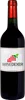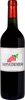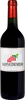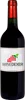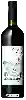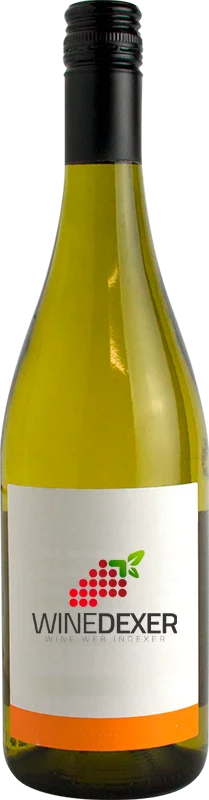
Winery BasiliumI Portali Greco
 White wine



In the mouth this white wine is a powerful.
This wine generally goes well with vegetarian, appetizers and snacks or shellfish.
Taste structure of the I Portali Greco from the Winery Basilium
Light | Bold | |
Dry | Sweet | |
Soft | Acidic |
In the mouth the I Portali Greco of Winery Basilium in the region of Basilicata is a powerful.


Food and wine pairings with I Portali Greco
Pairings that work perfectly with I Portali Greco



Original food and wine pairings with I Portali Greco
The I Portali Greco of Winery Basilium matches generally quite well with dishes of shellfish, vegetarian or appetizers and snacks such as recipes of magic marinade (for shrimps, scallops, fish...), leek, goat cheese and bacon quiche or reunion pepper candy.
Details and technical informations about Winery Basilium's I Portali Greco.
Discover the grape variety: Abondant
Abondant blanc is a grape variety that originated in France. It produces a variety of grape specially used for wine making. It is rare to find this grape to eat on our tables. This variety of grape is characterized by large bunches and large grapes. The Abondant blanc can be found cultivated in these vineyards: South-West, Cognac, Bordeaux, Provence & Corsica, Rhone Valley.
Last vintages of this wine
The best vintages of I Portali Greco from Winery Basilium are 2014, 0
Informations about the Winery Basilium
The Winery Basilium is one of of the world's greatest estates. It offers 10 wines for sale in the of Basilicata to come and discover on site or to buy online.

The wine region of Basilicata
Basilicata, in Southern Italy, is a region whose name rarely appears in wine circles. It is best known for its red wines made from the Aglianico grape, and in particular for the Aglianico del Vulture appellation. It has only four DOCs, which collectively cover only two of every 100 bottles produced here. The remaining 98% is sold under IGT or, more likely, Vino da Tavola.
The word of the wine: Yeast
Micro-organisms at the base of all fermentative processes. A wide variety of yeasts live and thrive naturally in the vineyard, provided that treatments do not destroy them. Unfortunately, their replacement by laboratory-selected yeasts is often the order of the day and contributes to the standardization of the wine. Yeasts are indeed involved in the development of certain aromas.