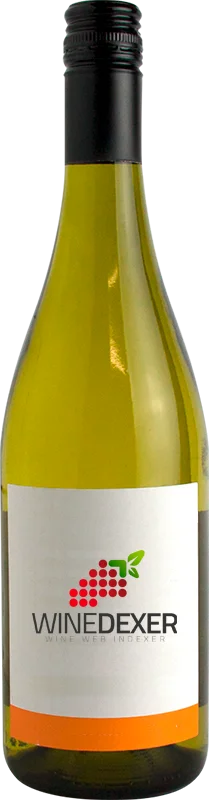
Winery BarrosEmperador de Barros Cayetana
 White wine



This wine generally goes well with

Details and technical informations about Winery Barros's Emperador de Barros Cayetana.
Discover the grape variety: Tinta Cão
Structured and elegant reds for ageing, with a deep ruby colour, firm tannins, an ample palate with preserved acidity, and signature aromas of red and black fruits (cherry, blackberry), spices, flowers (violet) and refined floral notes. Very late-ripening and low-yielding but high-quality. An essential component of the great Porto Vintage DOC and Douro DOC for ageing, one of the five classic Port varieties, with a strong aromatic identity. Native Portuguese black variety from the Douro.
Last vintages of this wine
The best vintages of Emperador de Barros Cayetana from Winery Barros are 0
Informations about the Winery Barros
The Winery Barros is one of of the world's greatest estates. It offers 10 wines for sale in the of Ribera del Guadiana to come and discover on site or to buy online.

The wine region of Ribera del Guadiana
DO of Extremadura grouping 6 sub-zones (dominant Tierra de Barros), continental climate with scorching summers (40 °C). Signature Tempranillo as king red: supple and sunlit with ripe cherry, plum, leather, vanilla (oak ageing), tobacco and spices, round tannins and fleshy palate. Fruity Garnacha, colour-rich Bobal, peppery Syrah, firm Cabernet. Lively Pardina, neutral Cayetana Blanca, citrus Viura whites.
The wine region of Estrémadure
Autonomous community of western Spain, the 2nd largest national vineyard (~87,000 ha) with excellent value for money. Tempranillo signature in red: round and accessible with signature notes of ripe cherry, plum, soft vanilla, leather and a spicy touch, supple tannins. Sun-drenched Garnacha, colourful Bobal, firm Cabernet complete the line-up. Vivid Cayetana and Pardina whites (citrus, flowers).
The word of the wine: Draft liquor (champagne)
After blending, the wine is bottled with a liqueur de tirage (a mixture of sugar and wine) and a yeast (selected yeasts). The yeast attacks the sugar and creates carbon dioxide. The fermentation, which lasts about two months, is prolonged by an ageing period (15 months minimum in total). The bottle is capped (some rare vintages are capped with a staple and a cork).