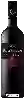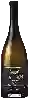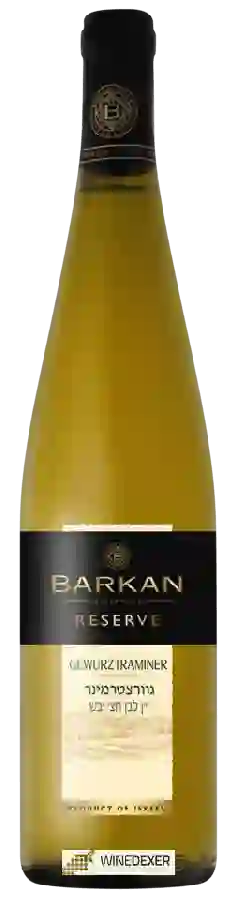
Winery BarkanReserve Gewurztraminer
 White wine


This wine generally goes well with poultry, rich fish (salmon, tuna etc) or mild and soft cheese.

Wine flavors and olphactive analysis

On the nose the Reserve Gewurztraminer of Winery Barkan in the region of Galilee often reveals types of flavors of tree fruit, citrus fruit or tropical fruit.
Food and wine pairings with Reserve Gewurztraminer
Pairings that work perfectly with Reserve Gewurztraminer



Original food and wine pairings with Reserve Gewurztraminer


The Reserve Gewurztraminer of Winery Barkan matches generally quite well with dishes of rich fish (salmon, tuna etc), spicy food or sweet desserts such as recipes of gratin of ravioli with salmon, pasta with broccoli or pancakes.
Details and technical informations about Winery Barkan's Reserve Gewurztraminer.
Discover the grape variety: Gewurztraminer
Full-bodied, exotic whites, rich and heady, with moderate acidity, showing opulent aromas of lychee, rose, mango, ginger, pink grapefruit and gentle spice. Made as aromatic dry, moelleux late-harvest and liquorous sélection de grains nobles. Star of Alsace AOC (one of the four noble varieties) and signature of Alto Adige (Tramin), Palatinate and Germany. A pink mutation of Traminer.
Last vintages of this wine

The best vintages of Reserve Gewurztraminer from Winery Barkan are 2017, 2016, 0, 2018 and 2015.
Informations about the Winery Barkan
The Winery Barkan is one of of the world's greatest estates. It offers 102 wines for sale in the of Galilee to come and discover on site or to buy online.

The wine region of Galilee
Israel's wine heartland in the north, a benchmark quality zone. Powerful, structured reds with signature notes of ripe blackcurrant, blackberry, dark chocolate, herbes de Provence and spices, firm tannins and a sun-soaked palate. Dominant international grapes: dense Cabernet Sauvignon, round Merlot, peppery Syrah and colourful Petit Verdot. Round Chardonnay and lively Sauvignon Blanc whites.
The word of the wine: Cuvée prestige (champagne)
Vintage or not, it is composed of a selection of terroirs and generally comes from the first press after eliminating the very first juices that come out of the press. The best known? Dom Pérignon, Cristal de Roederer, Grand Siècle de Laurent-Perrie, Louise at Pommery. In fact, all the houses and most of the independent winegrowers have their own prestige cuvee.