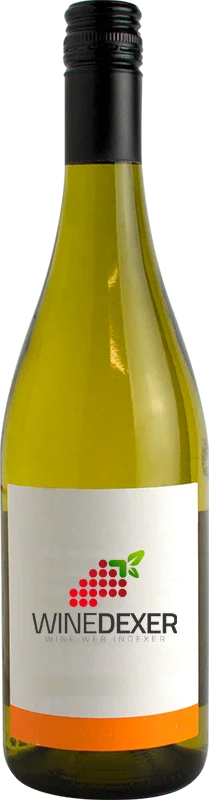
Cave BaltaMuscat de Mireval Tradition
 White wine
This wine generally goes well with vegetarian, poultry or lean fish.
Food and wine pairings with Muscat de Mireval Tradition
Pairings that work perfectly with Muscat de Mireval Tradition



Original food and wine pairings with Muscat de Mireval Tradition


The Muscat de Mireval Tradition of Cave Balta matches generally quite well with dishes of pasta, vegetarian or poultry such as recipes of meat and goat pie, nanie's diced ham quiche or roast turkey in the oven.
Details and technical informations about Cave Balta's Muscat de Mireval Tradition.
Discover the grape variety: Picolit blanc
A very old grape variety, probably already known to the Romans, and most certainly of Italian origin, from Friuli to be precise. The Hungarian Keknyelu is said to be the same variety, but this remains to be confirmed. It is almost unknown in France and even in the wine world, perhaps because of its low production and its sensitivity to various diseases. It should be noted that it is not related to the black picolit.
Informations about the Cave Balta
The Cave Balta is one of of the world's greatest estates. It offers 10 wines for sale in the of Muscat de Mireval to come and discover on site or to buy online.

The wine region of Muscat de Mireval
Muscat de Mireval is a small appellation of SweetGolden natural wines made from the Muscat Blanc à Petits Grains Grape variety. Mireval is a commune in the Languedoc-Roussillon region of southern France. It is located immediately northeast of the highly respected Frontignan appellation. However, its wines rarely receive the same attention as the other natural sweet wines of the region, such as Banyuls and Muscat de Rivesaltes.
The wine region of Languedoc-Roussillon
Languedoc (formerly Coteaux du Languedoc) is a key appellation used in the Languedoc-Roussillon wine region of southern France. It covers Dry table wines of all three colors (red, white and rosé) from the entire region, but leaves Sweet and Sparkling wines to other more specialized appellations. About 75% of all Languedoc wines are red, with the remaining 25% split roughly down the middle between whites and rosés. The appellation covers most of the Languedoc region and almost a third of all the vineyards in France.
The word of the wine: Merrain
Oak wood split into planks used to make the barrel.