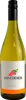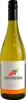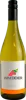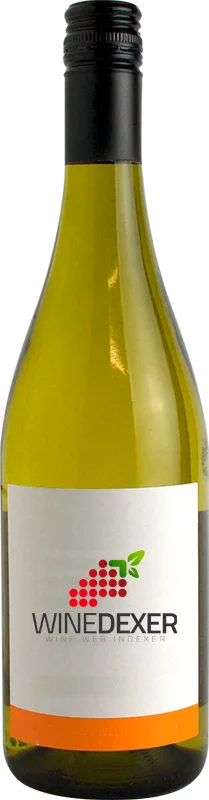
Winery BaldosaBlanco
 White wine



This wine generally goes well with
The Blanco of the Winery Baldosa is in the top 30 of wines of Aguascalientes.
Details and technical informations about Winery Baldosa's Blanco.
Discover the grape variety: Noual
This is an ancient grape variety from the southwest that used to be found mainly in the Lot (west of the Cahors vineyard) and Tarn-et-Garonne departments. It is now little present in the vineyard and is therefore in the process of disappearing, although it is listed in the Official Catalogue of Wine Grape Varieties, list A1.
Last vintages of this wine
The best vintages of Blanco from Winery Baldosa are 0, 2018
Informations about the Winery Baldosa
The Winery Baldosa is one of of the world's greatest estates. It offers 3 wines for sale in the of Aguascalientes to come and discover on site or to buy online.

The wine region of Aguascalientes
The wine region of Aguascalientes is located in the region of Center of Mexico. Wineries and vineyards like the Domaine Santa Elena or the Domaine Santa Elena produce mainly wines red, white and pink. The most planted grape varieties in the region of Aguascalientes are Malbec, Merlot and Tempranillo, they are then used in wines in blends or as a single variety. On the nose of Aguascalientes often reveals types of flavors of oak, red fruit or black fruit and sometimes also flavors of dried fruit, tree fruit or non oak.
The wine region of Center
The wine region of Center of Mexico. Wineries and vineyards like the Domaine Cava Quintanilla or the Domaine Cuna de Tierra produce mainly wines red, white and pink. The most planted grape varieties in the region of Center are Cabernet-Sauvignon, Merlot and Malbec, they are then used in wines in blends or as a single variety. On the nose of Center often reveals types of flavors of cherry, spices or dried fruit and sometimes also flavors of tree fruit, melon or stone.
The word of the wine: Bleeding
Old practice for red wines. As soon as the vat is filled with grapes, the tap is opened. A sweet but clear juice escapes from the vat (it can also be used to make rosé). The colour and density of the juice is enhanced, but it should not be overdone. Rarely more than 10% of the volume of a vat, otherwise you risk losing fruit and bringing in bitterness.