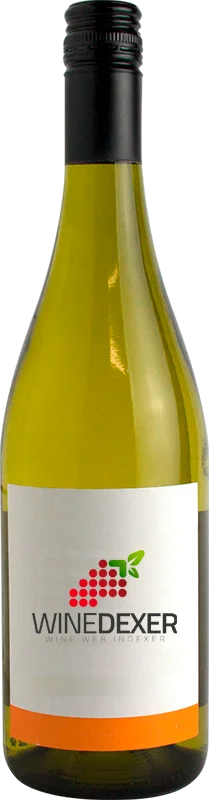
Winery BabitsTokaji Szamorodni
 Sweet wine



This wine generally goes well with
Wine flavors and olphactive analysis



On the nose the Tokaji Szamorodni of Winery Babits in the region of Tokaj often reveals types of flavors of non oak, earth or oak.
Details and technical informations about Winery Babits's Tokaji Szamorodni.
Discover the grape variety: Malvoisie de l' Istrie
This grape variety is endemic to the Istrian peninsula, which is partly located in Italy, Slovenia and Croatia, where it is the leading white grape variety. In France, it is almost unknown. It is related to malvasia bianca longa, also known as malvasia del Chianti.
Last vintages of this wine
The best vintages of Tokaji Szamorodni from Winery Babits are 2004, 0
Informations about the Winery Babits
The Winery Babits is one of of the world's greatest estates. It offers 19 wines for sale in the of Tokaj to come and discover on site or to buy online.

The wine region of Tokaj
Tokaj (formerly Tokaj-Hegyalja) has Long been Hungary's most famous and respected wine region, thanks mostly to its nectar-like, botrytized Tokaji dessert wines. The region and its wine are held in such esteem in Hungary that the national anthem thanks God for it: Tokaj szolovesszein nektárt csepegtettél - into the vineyards of Tokaj you dripped Sweet nectar The region is located in the northeast of Hungary, near the border with Slovakia. Comprising roughly 30 small towns and villages, it measures 40 kilometers (25 miles) from southwest to northeast, making it roughly the same Size as Burgundy's Côte d'Or. At its very southern edge is the town of Tokaj from which the region and its wines ultimate take their name.
The word of the wine: Varietal
Said of wine aromas that are reminiscent of fresh grapes. The most demonstrative example is certainly that of wines made from the Muscat grape variety.