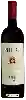
Winery Azienda Agricola La MàgiaMagico Merlot
 wine
wine
This wine generally goes well with
The Magico Merlot of the Winery Azienda Agricola La Màgia is in the top 0 of wines of Maremma Toscana.
Details and technical informations about Winery Azienda Agricola La Màgia's Magico Merlot.
Discover the grape variety: Neheleschol
A very ancient table grape, it is mentioned in the Bible. Luigi and Alberto Pirovano of Vaprio d'Adda used it in many of their crosses. - Synonyms: neg(u)elescol, giant of Palestine, white grape of Jerusalem, eparce or eparse, yellow olivette with small berries, grape of Jericho (for all the synonyms of the grape varieties, click here!)
Informations about the Winery Azienda Agricola La Màgia
The Winery Azienda Agricola La Màgia is one of of the world's greatest estates. It offers 5 wines for sale in the of Maremma Toscana to come and discover on site or to buy online.

The wine region of Maremma Toscana
The wine region of Maremma Toscana is located in the region of Toscane of Italy. Wineries and vineyards like the Domaine Antinori or the Domaine Rocca di Frassinello produce mainly wines red, white and pink. The most planted grape varieties in the region of Maremma Toscana are Sangiovese, Cabernet-Sauvignon and Merlot, they are then used in wines in blends or as a single variety. On the nose of Maremma Toscana often reveals types of flavors of cherry, game or nutty and sometimes also flavors of hay, white peach or lime.
The wine region of Tuscany
Tuscany is one of the most famous and prolific wine regions in Europe. It is best known for its Dry red wines made from Sangiovese grapes, which dominate production. These include Chianti, Brunello di Montalcino and Vino Nobile di Montepulciano. The region's Vin Santo is also highly prized, as are its passito dessert wines, though these are produced in comparatively tiny quantities.
The word of the wine: Overmaturation
When the grapes reach maturity, the skin becomes permeable and progressively loses water, which causes a concentration phenomenon inside the berry. This is called over-ripening or passerillage.