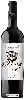
Winery AyamaCelebration Red
 Red wine



This wine generally goes well with
The Celebration Red of the Winery Ayama is in the top 30 of wines of Voor Paardeberg.

Details and technical informations about Winery Ayama's Celebration Red.
Discover the grape variety: Amigne
Aromatic, structured whites with a golden robe, ample palate and preserved acidity, showing refined aromas of yellow fruits (pear, apricot), candied citrus, mandarin, linden, honey and white flower notes. Vinified dry, off-dry or sweet (a scale of 1 to 3 bees indicates residual sugar). Almost exclusive star of Vétroz AOC in the central Valais. Very old autochthonous Valais variety, probably of Roman origin, one of Switzerland's discreet treasures.
Last vintages of this wine
The best vintages of Celebration Red from Winery Ayama are 0
Informations about the Winery Ayama
The Winery Ayama is one of of the world's great estates. It offers 31 wines for sale in the of Voor Paardeberg to come and discover on site or to buy online.

The wine region of Voor Paardeberg
Ward of the Paarl district (Western Cape, South Africa) integrated into WO in 2006 on south-east slopes of the Paardeberg granite inselberg, 15 km north of Paarl: Shiraz Rhône-style, Pinotage and Cabernet Sauvignon in reds, Chardonnay and Chenin Blanc on higher ground. Draining granite soils rich in potassium, 5°C cooler than Paarl in summer thanks to southerly winds — robust yet bright and fresh wines, aromatic intensity preserved by cool nights.
The wine region of Western Cape
Cradle of South African wine. Signature Chenin Blanc (Steen, 20%) in ample, fresh whites with notes of quince, yellow apple, honey and acacia flower, from crisp dry to sweet. Sharp, iodised Sauvignon Blanc (Walker Bay, Constantia), balanced Chardonnay. Reds: emblematic Pinotage with roasted aromas (coffee, plum, smoke), firm Cabernet Sauvignon, spicy Syrah.
The word of the wine: Terroir
Strictly speaking, the notion of terroir corresponds to the geological characteristics of a vineyard. However, when we talk about terroir, we take into account the soil, the climate (even the microclimate), the flora, the fauna, and the human factor that characterizes the practices that make up the art of the craft.