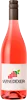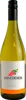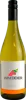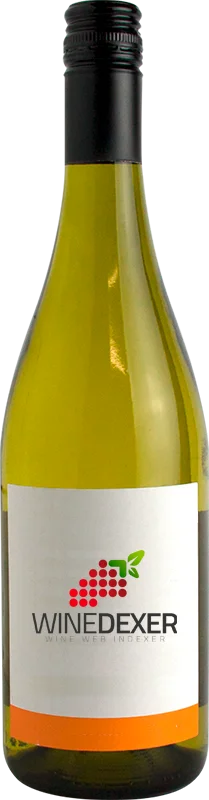
Winery AvereștiNativus Sauvignon Blanc de Averești Sec
 White wine



This wine generally goes well with vegetarian, rich fish (salmon, tuna etc) or shellfish.
The Nativus Sauvignon Blanc de Averești Sec of the Winery Averești is in the top 60 of wines of Moldova.
Wine flavors and olphactive analysis

On the nose the Nativus Sauvignon Blanc de Averești Sec of Winery Averești in the region of Moldova often reveals types of flavors of tree fruit.
Food and wine pairings with Nativus Sauvignon Blanc de Averești Sec
Pairings that work perfectly with Nativus Sauvignon Blanc de Averești Sec



Original food and wine pairings with Nativus Sauvignon Blanc de Averești Sec
The Nativus Sauvignon Blanc de Averești Sec of Winery Averești matches generally quite well with dishes of rich fish (salmon, tuna etc), shellfish or vegetarian such as recipes of avocado and marinated tuna poke bowl, shrimp and chorizo risotto or cream and tuna quiche.
Details and technical informations about Winery Averești's Nativus Sauvignon Blanc de Averești Sec.
Discover the grape variety: Sultanine
Most certainly finding its first origins in Persia, today Iran. It is registered in the Official Catalogue of table grape varieties list A1. Note that the variety gora chirine, also finding its first origins in Iran (Azerbaijan), is a mutation of the Sultanine, its berries of white or pink color being slightly larger.
Last vintages of this wine
The best vintages of Nativus Sauvignon Blanc de Averești Sec from Winery Averești are 2015, 2016, 0
Informations about the Winery Averești
The Winery Averești is one of of the world's greatest estates. It offers 42 wines for sale in the of Moldova to come and discover on site or to buy online.

The wine region of Moldova
Romania is located at the geographical crossroads between Central and South-Eastern Europe. The Romanian wine industry uses a wide range of indigenous and international red and white Grape varieties. Both vinifera and American grape species are present here, as well as a number of hybrids. The latter are chosen for their resistance to varying Climates.
The word of the wine: Concentrator
A device that removes water from grape must by reverse osmosis or entropy system. Its proponents say that it is better to remove water than to add sugar to produce more alcohol. The improperly used concentrator can also exaggerate bad tastes or greenness of tannins.