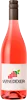
Winery Au Coeur de Nos TerroirsAlsace Riesling
 White wine



In the mouth this white wine is a with a nice freshness.
This wine generally goes well with pork, vegetarian or rich fish (salmon, tuna etc).
Taste structure of the Alsace Riesling from the Winery Au Coeur de Nos Terroirs
Light | Bold | |
Dry | Sweet | |
Soft | Acidic |
In the mouth the Alsace Riesling of Winery Au Coeur de Nos Terroirs in the region of Alsace is a with a nice freshness.
Food and wine pairings with Alsace Riesling
Pairings that work perfectly with Alsace Riesling



Original food and wine pairings with Alsace Riesling


The Alsace Riesling of Winery Au Coeur de Nos Terroirs matches generally quite well with dishes of pork, rich fish (salmon, tuna etc) or spicy food such as recipes of alsatian sauerkraut, fish pot or traditional tunisian couscous.
Details and technical informations about Winery Au Coeur de Nos Terroirs's Alsace Riesling.
Discover the grape variety: Riesling
White Riesling is a grape variety that originated in France (Alsace). It produces a variety of grape specially used for the elaboration of wine. It is rare to find this grape to eat on our tables. This variety of grape is characterized by small bunches, and small grapes. White Riesling can be found in many vineyards: Alsace, Loire Valley, Languedoc & Roussillon, Lorraine, Provence & Corsica, Rhone Valley, Savoie & Bugey, Beaujolais, South West.
Last vintages of this wine
The best vintages of Alsace Riesling from Winery Au Coeur de Nos Terroirs are 2018
Informations about the Winery Au Coeur de Nos Terroirs
The Winery Au Coeur de Nos Terroirs is one of of the world's greatest estates. It offers 17 wines for sale in the of Alsace to come and discover on site or to buy online.

The wine region of Alsace
Alsace, located in the extreme north-east of France, is Distinguished from other French wine regions by its strong Franco-Germanic influences. These influences are the result of a back-and-forth between the German and French sovereignties over the last few centuries. They can be seen not only in the architecture and culture of Alsace, but also in the wines. Alsace wines are produced under three main appellations: Alsace and Alsace Grand Cru for still white wines (Sweet and Dry), and Crémant d'Alsace for Sparkling wines.
The word of the wine: Chaptalization
The addition of sugar at the time of fermentation of the must, an ancient practice, but theorized by Jean-Antoine Chaptal at the dawn of the 19th century. The sugar is transformed into alcohol and allows the natural degree of the wine to be raised in a weak or cold year, or - more questionably - when the winegrower has a harvest that is too large to obtain good maturity.