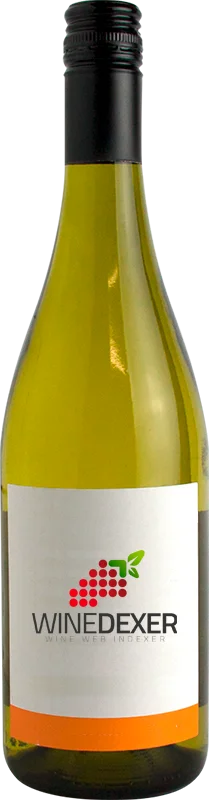
Au Clos de Saint-BonnetDoral
 White wine



This wine generally goes well with
Details and technical informations about Au Clos de Saint-Bonnet's Doral.
Discover the grape variety: Duras
Duras noir is a grape variety that originated in France (Tarn). It produces a variety of grape specially used for wine making. It is rare to find this grape to eat on our tables. This variety of grape is characterized by medium-sized bunches and small grapes. Duras noir can be found in several vineyards: South-West, Cognac, Bordeaux, Armagnac, Provence & Corsica, Rhone Valley, Languedoc & Roussillon.
Last vintages of this wine
The best vintages of Doral from Au Clos de Saint-Bonnet are 0
Informations about the Au Clos de Saint-Bonnet
The Au Clos de Saint-Bonnet is one of of the world's greatest estates. It offers 10 wines for sale in the of La Côte to come and discover on site or to buy online.

The wine region of La Côte
The wine region of La Côte is located in the region of Vaud of Switzerland. Wineries and vineyards like the Cave de la Côte - Cave Cidis or the Cave de Jolimont produce mainly wines white, red and sweet. The most planted grape varieties in the region of La Côte are Chasselas, Gamaret and Pinot noir, they are then used in wines in blends or as a single variety. On the nose of La Côte often reveals types of flavors of black fruit, pear or vegetal and sometimes also flavors of tropical fruit, apples or cream.
The wine region of Vaud
Vaud is Switzerland's second-largest wine region, located in the French-speaking southwest. The region - which is also one of 26 cantons in the country - is best known for its crisp, white Fendant wines (the national name for the Chasselas variety) and its stunning lakeside landscapes. Both of these reach their zenith in the grand crus of Lavaux/dezaley">Dezaley and Calamin. These famous Lavaux Vineyard terraces, which rise steeply up above Lake Geneva (Lac Léman), are considered of such importance that they are now enjoy protected status as a UNESCO World Heritage Site.
The word of the wine: Harvesting and handling
In Champagne, a winegrower who makes his own vintages exclusively from grapes grown on his own property.