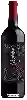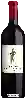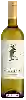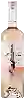
Winery Atelier DubongoutRosé
 Pink wine


In the mouth this pink wine is a with a nice freshness.
This wine generally goes well with vegetarian, appetizers and snacks or lean fish.
Taste structure of the Rosé from the Winery Atelier Dubongout
Light | Bold | |
Dry | Sweet | |
Soft | Acidic |
In the mouth the Rosé of Winery Atelier Dubongout in the region of Pays d'Oc is a with a nice freshness.
Food and wine pairings with Rosé
Pairings that work perfectly with Rosé



Original food and wine pairings with Rosé


The Rosé of Winery Atelier Dubongout matches generally quite well with dishes of pasta, vegetarian or appetizers and snacks such as recipes of lasagna bolognese, zucchini quiche or radicchio and pancetta rolls.
Details and technical informations about Winery Atelier Dubongout's Rosé.
Discover the grape variety: Marzemino
A very old variety grown in northern Italy and recently in Sardinia. It can also be found in Greece, New Zealand, etc. In France it is practically unknown. It is most certainly related to Teroldego and Refosco dal Pedunculo Rosso and is said to be the brother of Lagrein, all three Italian varieties. It is also related to completer.
Informations about the Winery Atelier Dubongout
The Winery Atelier Dubongout is one of of the world's greatest estates. It offers 4 wines for sale in the of Pays d'Oc to come and discover on site or to buy online.

The wine region of Pays d'Oc
Pays d'Oc is the PGI for red, white and rosé wines that are produced over a wide area of the southern coast of France. The PGI catchment area corresponds roughly to the Languedoc-roussillon">Languedoc-Roussillon wine region, one of the largest wine regions in France. The area covers all wines that are not produced under the strict laws that govern AOC-level appellations in the regions: among them, Corbières, Minervois and the Languedoc appellation itself. The Pays d'Oc PGI is arguably the most important in France, producing the majority of the country's PGI wines.
The word of the wine: Ovoids (tanks)
Egg-shaped vats used for wine making and maturing that favour the natural suspension of the lees thanks to the vortex movements, which give the wine more fat and fruity aromas.