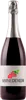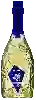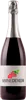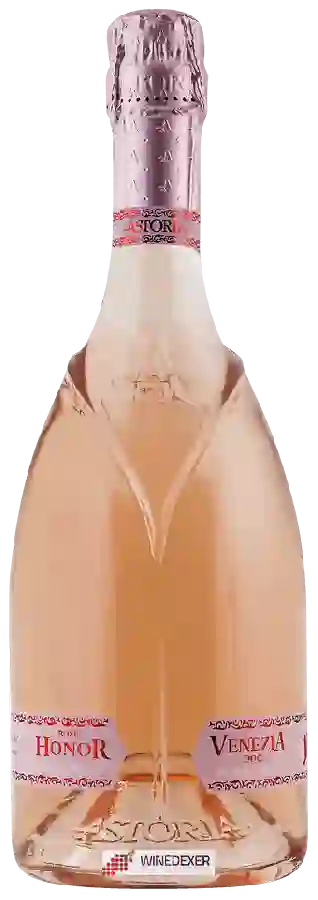
Winery AstoriaHonor Venezia Millesimato Rosè
 Sparkling wine



This wine generally goes well with

Wine flavors and olphactive analysis

On the nose the Honor Venezia Millesimato Rosè of Winery Astoria in the region of Veneto often reveals types of flavors of red fruit.
Details and technical informations about Winery Astoria's Honor Venezia Millesimato Rosè.
Discover the grape variety: Mornen
Light and fruity reds with a clear ruby colour, smooth tannins, an airy palate with preserved acidity, and aromas of red fruits (raspberry) with discreet peppery notes. Rustic Rhône Valley profile. Preserved for its heritage value, surviving in a few patrimonial plots in Ardèche; studied for its ampelographic interest. Native French black variety, formerly grown in Ardèche and the Rhône Valley.
Last vintages of this wine
The best vintages of Honor Venezia Millesimato Rosè from Winery Astoria are 2018, 2017, 2016, 0
Informations about the Winery Astoria
The Winery Astoria is one of of the world's great estates. It offers 87 wines for sale in the of Venezia to come and discover on site or to buy online.

The wine region of Venezia
Venetian DOC around Venice, heart of the "Tre Venezie" concept and the delle Venezie zone (>23,000 ha). Pinot Grigio signature as the export-star white: fresh and accessible with signature notes of pear, green apple, citrus, white flowers and a saline touch, thirst-quenching mouth — global success. Also sparkling Glera (Prosecco base), mineral Garganega, local Tocai Friulano. Reds: round Merlot (plum, cherry), peppery Cabernet Franc, spicy native Refosco.
The wine region of Veneto
World star of Prosecco: fresh, light Glera sparklers with notes of pear, green apple and white flowers, fruity, convivial bubbles. Veronese reds from Corvina and Rondinella: light, crisp Bardolino, fruity Valpolicella, opulent, concentrated Amarone DOCG (black cherry, chocolate, raisin) from dried grapes. Mineral, almondy Soave (Garganega) whites, fresh Pinot Grigio. 97,500 ha, Italy's largest production.
The word of the wine: N-M
Negociant-manipulant. Company that buys grapes, sometimes in addition to its own vineyard, elaborates and markets its champagne. Most of the big brands like Moët or Taittinger are N-M.