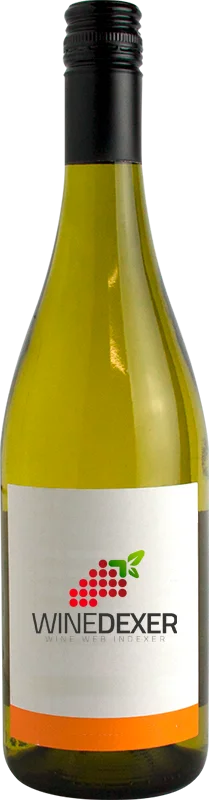
Winery AsconiMerry Mole Chardonnay
 White wine



This wine generally goes well with pork, vegetarian or poultry.

Wine flavors and olphactive analysis


On the nose the Merry Mole Chardonnay of Winery Asconi in the region of Moldova often reveals types of flavors of oak, tree fruit.
Food and wine pairings with Merry Mole Chardonnay
Pairings that work perfectly with Merry Mole Chardonnay



Original food and wine pairings with Merry Mole Chardonnay

The Merry Mole Chardonnay of Winery Asconi matches generally quite well with dishes of pork, rich fish (salmon, tuna etc) or vegetarian such as recipes of old-fashioned pork roll, tuna lasagna or quiche lorraine.
Details and technical informations about Winery Asconi's Merry Mole Chardonnay.
Discover the grape variety: Chardonnay
Whites with many faces: mineral and taut at Chablis (lemon, green apple, flint), opulent and buttery at Meursault and Puligny-Montrachet (hazelnut, brioche, yellow fruits), tense and chalky in Champagne (Blanc de Blancs). Also vinified sparkling and widely exported (Sonoma, Margaret River, Casablanca). A Burgundian variety, a cross of Pinot Noir × Gouais Blanc, half-sibling of Aligoté.
Last vintages of this wine
The best vintages of Merry Mole Chardonnay from Winery Asconi are 0
Informations about the Winery Asconi
The Winery Asconi is one of of the world's great estates. It offers 88 wines for sale in the of Moldova to come and discover on site or to buy online.

The wine region of Moldova
Eastern European wine country among the world's most densely planted. Whites dominate (~70%) as signatures. Native Fetească Albă with signature notes of white flowers, pear, citrus and a honeyed touch, tense palate — Moldova's soul. Also ample Chardonnay, mineral Rkatsiteli, straight Aligoté.
The word of the wine: Rafle (taste of)
A taste considered a defect, characterized by an unpleasant astringency and bitterness, brought by the stalk during the vinification process. In order to avoid it, destemming before vinification is a common practice.