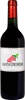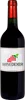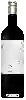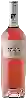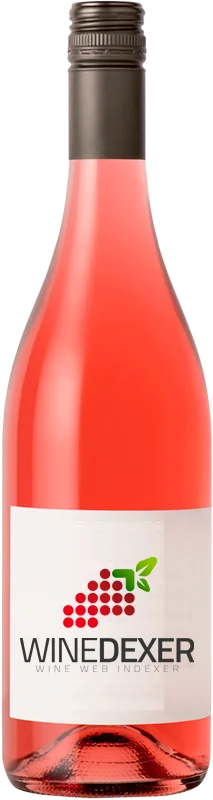
Winery ArtajonaArgaray Rosado
 Pink wine



This wine generally goes well with pork, beef or lamb.
Food and wine pairings with Argaray Rosado
Pairings that work perfectly with Argaray Rosado



Original food and wine pairings with Argaray Rosado

The Argaray Rosado of Winery Artajona matches generally quite well with dishes of beef, lamb or pork such as recipes of baeckeoffe, crusted lamb fillets with sweet spices or brussels sprouts with bacon in a casserole.
Details and technical informations about Winery Artajona's Argaray Rosado.
Discover the grape variety: Dattier de Saint Vallier
Interspecific crossing obtained by Seyve-Villard between the 6468 Seibel and the Panse de Provence. This direct-producing hybrid is practically no longer multiplied, but can still be found among amateur gardeners or collectors.
Last vintages of this wine
The best vintages of Argaray Rosado from Winery Artajona are 0, 2014
Informations about the Winery Artajona
The Winery Artajona is one of of the world's great estates. It offers 20 wines for sale in the of Navarre to come and discover on site or to buy online.

The wine region of Navarre
Navarra, in northern Spain, is one of the country's 17 first-level administrative regions (comunidades autónomas) and a fairly prolific, if lesser-known, wine region. Traditionally associated with the production of Bright, Fruity rosé, Navarra is beginning to attract attention for its high-quality red wines, mainly from the Tempranillo, Cabernet Sauvignon and Merlot grapes, after years of being overshadowed by its southern neighbor, Rioja. The first evidence of wine-making in the region dates back to Roman times, but it is almost certain that Vines were growing here Long before that. It was recently discovered that vines of the prehistoric species Vitis sylvestris - the predecessor of the beloved Vitis vinifera - were still growing in Navarre.
The word of the wine: Eye
In tasting, this is the first phase of the analysis of the wine, which consists of describing its visual aspect (colour, intensity, clarity, brilliance and possible defects).