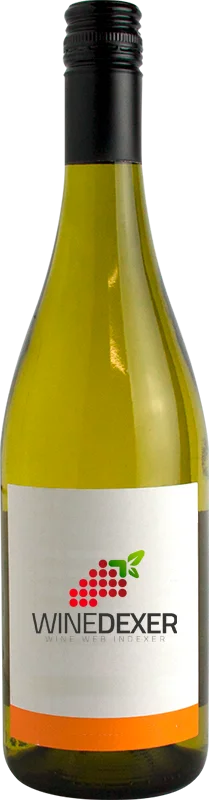
Winery ArnozanRéserve des Chartrons Bordeaux Blanc
 White wine


In the mouth this white wine is a powerful.
This wine generally goes well with pork, vegetarian or poultry.

Taste structure of the Réserve des Chartrons Bordeaux Blanc from the Winery Arnozan
Light | Bold | |
Dry | Sweet | |
Soft | Acidic |
In the mouth the Réserve des Chartrons Bordeaux Blanc of Winery Arnozan in the region of Bordeaux is a powerful.
Food and wine pairings with Réserve des Chartrons Bordeaux Blanc
Pairings that work perfectly with Réserve des Chartrons Bordeaux Blanc



Original food and wine pairings with Réserve des Chartrons Bordeaux Blanc


The Réserve des Chartrons Bordeaux Blanc of Winery Arnozan matches generally quite well with dishes of pork, vegetarian or poultry such as recipes of quick beef bourguignon, quiche with leeks and fresh salmon from flo or chicken curry with coconut milk and cashew nuts.
Details and technical informations about Winery Arnozan's Réserve des Chartrons Bordeaux Blanc.
Discover the grape variety: Sgavetta
Light, fruity reds best drunk young, with a pale ruby robe, soft tannins, and an airy palate with fresh acidity, offering signature aromas of red fruits (cherry, raspberry), soft spices, and floral notes. Accessible Emilian profile. Preserved in small plots around Reggio Emilia, it testifies to the ampelographic diversity of Emilia-Romagna. A rare Italian black variety from Emilia-Romagna.
Informations about the Winery Arnozan
The Winery Arnozan is one of of the world's great estates. It offers 21 wines for sale in the of Bordeaux to come and discover on site or to buy online.

The wine region of Bordeaux
World-renowned age-worthy reds, led by round Merlot (plum, black fruit) or firm Cabernet Sauvignon (blackcurrant, cedar, graphite), blended with Cabernet Franc and Petit Verdot for tannic structure. Structured Médoc and Graves, velvety Saint-Émilion and Pomerol. Also crisp dry whites (Sauvignon/Sémillon) and opulent sweet Sauternes with honey and candied fruit. A 110,000 ha Gironde vineyard, 65 appellations, cradle of the 1855 classified growths.
The word of the wine: Green harvest or green harvesting
The practice of removing excess bunches of grapes from certain vines, usually in July, but sometimes later. This is often necessary, but not always a good thing, as the remaining grapes tend to gain weight.