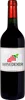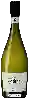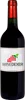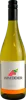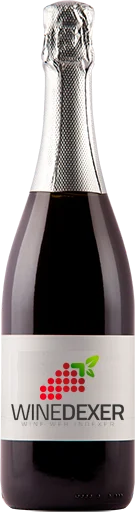
Winery Arnaud de VilleneuveFine en Bulles Rosé
 Sparkling wine
This wine generally goes well with beef, lamb or mature and hard cheese.
Food and wine pairings with Fine en Bulles Rosé
Pairings that work perfectly with Fine en Bulles Rosé



Original food and wine pairings with Fine en Bulles Rosé

The Fine en Bulles Rosé of Winery Arnaud de Villeneuve matches generally quite well with dishes of beef, lamb or spicy food such as recipes of pasta bolognese, harira algerian soup or veal axoa (basque country).
Details and technical informations about Winery Arnaud de Villeneuve's Fine en Bulles Rosé.
Discover the grape variety: Sauvignonasse
Would be the friulano - before 2007 called tocai friulano - from Veneto in Italy. It would be a distant relative of furmint and Jean-Michel Boursiquot (2019) states that it is the father or mother of chenin blanc. However, Sauvignonasse has nothing to do with Sauvignon Blanc, which it was once mixed with in the Sauternes region. It can be found in Italy, Chile, Argentina, Russia, ... practically more multiplied in France.
Informations about the Winery Arnaud de Villeneuve
The Winery Arnaud de Villeneuve is one of of the world's great estates. It offers 82 wines for sale in the of Pays d'Oc to come and discover on site or to buy online.

The wine region of Pays d'Oc
Pays d'Oc is the PGI for red, white and rosé wines that are produced over a wide area of the southern coast of France. The PGI catchment area corresponds roughly to the Languedoc-roussillon">Languedoc-Roussillon wine region, one of the largest wine regions in France. The area covers all wines that are not produced under the strict laws that govern AOC-level appellations in the regions: among them, Corbières, Minervois and the Languedoc appellation itself. The Pays d'Oc PGI is arguably the most important in France, producing the majority of the country's PGI wines.
The word of the wine: Film maceration
A technique that consists of leaving the grapes to macerate in the open air at a low temperature before fermentation, thus enhancing the aromatic expression of the wine.