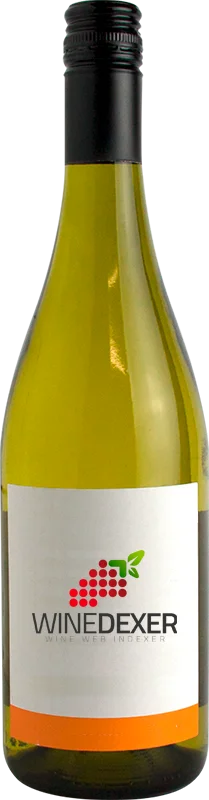
Winery Antoine MoueixLes Origines de Jules Lebégue
 White wine



In the mouth this white wine is a powerful.
This wine generally goes well with pork, vegetarian or poultry.

Taste structure of the Les Origines de Jules Lebégue from the Winery Antoine Moueix
Light | Bold | |
Dry | Sweet | |
Soft | Acidic |
In the mouth the Les Origines de Jules Lebégue of Winery Antoine Moueix in the region of Bordeaux is a powerful.
Wine flavors and olphactive analysis




On the nose the Les Origines de Jules Lebégue of Winery Antoine Moueix in the region of Bordeaux often reveals types of flavors of non oak, oak.
Food and wine pairings with Les Origines de Jules Lebégue
Pairings that work perfectly with Les Origines de Jules Lebégue



Original food and wine pairings with Les Origines de Jules Lebégue


The Les Origines de Jules Lebégue of Winery Antoine Moueix matches generally quite well with dishes of pork, vegetarian or poultry such as recipes of magic cake cheese quiche, zucchini and goat cheese quiche or chicken tenderloins with lemon cream.
Details and technical informations about Winery Antoine Moueix's Les Origines de Jules Lebégue.
Discover the grape variety: Albana
Structured and aromatic dry whites with a pale golden robe, an ample palate and moderate acidity, with signature aromas of white flowers (acacia), yellow fruits (pear, peach, apricot), almond and mineral notes. Also the star of passito and botrytised dessert wines — round and candied with honey and dried fruit notes. The star of the Romagna Albana DOCG, Italy's first white DOCG (1987). Native Italian white grape from Emilia-Romagna, grown in the hills of Forlì and Bologna.
Last vintages of this wine
The best vintages of Les Origines de Jules Lebégue from Winery Antoine Moueix are 2016, 2015, 2018, 2017
Informations about the Winery Antoine Moueix
The Winery Antoine Moueix is one of of the world's greatest estates. It offers 80 wines for sale in the of Bordeaux to come and discover on site or to buy online.

The wine region of Bordeaux
World-renowned age-worthy reds, led by round Merlot (plum, black fruit) or firm Cabernet Sauvignon (blackcurrant, cedar, graphite), blended with Cabernet Franc and Petit Verdot for tannic structure. Structured Médoc and Graves, velvety Saint-Émilion and Pomerol. Also crisp dry whites (Sauvignon/Sémillon) and opulent sweet Sauternes with honey and candied fruit. A 110,000 ha Gironde vineyard, 65 appellations, cradle of the 1855 classified growths.
The word of the wine: Organoleptic
Elements, such as flavours and tactile sensations, that can stimulate a sensory receptor.