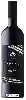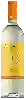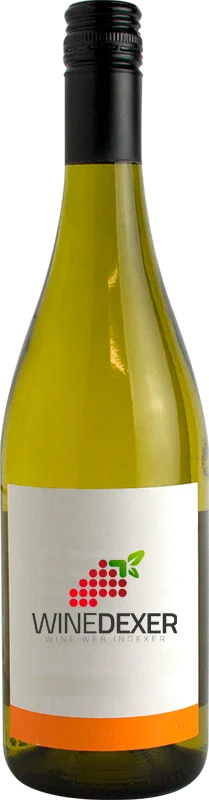
Winery Antichi VinaiSciare di Est Catarratto
 White wine


In the mouth this white wine is a powerful.
This wine generally goes well with vegetarian, appetizers and snacks or shellfish.

Taste structure of the Sciare di Est Catarratto from the Winery Antichi Vinai
Light | Bold | |
Dry | Sweet | |
Soft | Acidic |
In the mouth the Sciare di Est Catarratto of Winery Antichi Vinai in the region of Sicily is a powerful.
Food and wine pairings with Sciare di Est Catarratto
Pairings that work perfectly with Sciare di Est Catarratto



Original food and wine pairings with Sciare di Est Catarratto
The Sciare di Est Catarratto of Winery Antichi Vinai matches generally quite well with dishes of shellfish, vegetarian or appetizers and snacks such as recipes of seafood and mushroom quiche, quiche without eggs or autumn verrine.
Details and technical informations about Winery Antichi Vinai's Sciare di Est Catarratto.
Discover the grape variety: Listan
Structured and oxidative whites, with a golden to amber robe, a full palate marked by the flor veil and controlled oxidation on walnut, almond, yeast, apple and saline iodine notes. Emblematic pillar of Jerez DO (Fino, Manzanilla, Amontillado, Oloroso) and aromatic signature of Andalusian veil wines. Spanish synonym of Palomino, autochthonous white variety of Andalusia.
Last vintages of this wine
The best vintages of Sciare di Est Catarratto from Winery Antichi Vinai are 2017, 0
Informations about the Winery Antichi Vinai
The Winery Antichi Vinai is one of of the world's great estates. It offers 35 wines for sale in the of Sicily to come and discover on site or to buy online.

The wine region of Sicily
Major qualitative renewal. Sunny, expressive reds: fleshy, spicy Nero d'Avola (black cherry, blackberry, liquorice), fine, mineral Nerello Mascalese on Etna (recalls Pinot Noir), light, crisp Frappato in Cerasuolo di Vittoria DOCG. Lively, saline whites: Catarratto, fat, iodised Grillo, taut Carricante, floral Inzolia. Amber, walnutty fortified Marsala.
The word of the wine: Hat
Solid part (marc), composed of pips and skins (sometimes of the stalk), which forms at the top of the tank during fermentation. The pigeage consists in breaking this cap to put back in suspension these elements and to favour the exchanges between the juice and the skins.