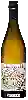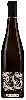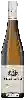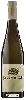
Winery Andreas BenderSauvignon Blanc
 White wine
In the mouth this white wine is a with a nice freshness.
This wine generally goes well with vegetarian, shellfish or goat cheese.

Taste structure of the Sauvignon Blanc from the Winery Andreas Bender
Light | Bold | |
Dry | Sweet | |
Soft | Acidic |
In the mouth the Sauvignon Blanc of Winery Andreas Bender in the region of Pfalz is a with a nice freshness.
Food and wine pairings with Sauvignon Blanc
Pairings that work perfectly with Sauvignon Blanc


Original food and wine pairings with Sauvignon Blanc
The Sauvignon Blanc of Winery Andreas Bender matches generally quite well with dishes of shellfish, vegetarian or goat cheese such as recipes of shrimp in coconut milk curry, zucchini quiche or wholemeal potato gratin.
Details and technical informations about Winery Andreas Bender's Sauvignon Blanc.
Discover the grape variety: Arvine
Structured, aromatic dry and sweet whites with a pale golden color, ample palate and preserved acidity, with signature aromas of citrus (grapefruit), rhubarb, white flowers (wisteria), exotic fruits and characteristic saline notes on the finish. Fine cellaring potential, in dry and late-harvest styles. Star of great Valais whites (Vétroz, Sion, Fully). Swiss indigenous variety from the Valais, sometimes called petite arvine.
Informations about the Winery Andreas Bender
The Winery Andreas Bender is one of of the world's great estates. It offers 42 wines for sale in the of Pfalz to come and discover on site or to buy online.

The wine region of Pfalz
Fleshy, dry, fruity Riesling is the region's signature: yellow peach, apricot, ripe citrus, lovely mineral tension. Germany's largest red-wine area (40%), with silky Spätburgunder showing red fruit and spice, darker structured Dornfelder, supple Portugieser. Some rounded Pinot Blanc and Pinot Gris. A 23,640 ha vineyard along the Haardt, among Germany's warmest (>2,000 h of sun).
The word of the wine: Sarment
Vine shoot of the year.