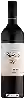
Winery Andre QuancardChâteau Bel-Air Moutine Saint-Estèphe
 Red wine
This wine generally goes well with poultry, beef or game (deer, venison).

Food and wine pairings with Château Bel-Air Moutine Saint-Estèphe
Pairings that work perfectly with Château Bel-Air Moutine Saint-Estèphe



Original food and wine pairings with Château Bel-Air Moutine Saint-Estèphe

The Château Bel-Air Moutine Saint-Estèphe of Winery Andre Quancard matches generally quite well with dishes of beef, lamb or game (deer, venison) such as recipes of roast beef with pepper, lamb shoulder confit with harissa or rabbit in white wine (casserole).
Details and technical informations about Winery Andre Quancard's Château Bel-Air Moutine Saint-Estèphe.
Discover the grape variety: Teroldego
Powerful and intensely coloured reds with an almost black inky colour, firm tannins and precise acidity, on aromas of blackberry, black plum, black cherry, violet, spices, liquorice and balsamic notes. Fine ageing potential. The near-exclusive star of Teroldego Rotaliano DOC on the alluvial plain of Campo Rotaliano in northern Trentino, also made as taut rosés. Native variety of Trentino, a genetic parent of Syrah and related to Lagrein.
Informations about the Winery Andre Quancard
The Winery Andre Quancard is one of wineries to follow in Saint-Estèphe.. It offers 93 wines for sale in the of Saint-Estèphe to come and discover on site or to buy online.

The wine region of Saint-Estèphe
Northernmost appellation of Médoc, land of powerful long-ageing reds: Cabernet Sauvignon signature king red (~50%) with Merlot — deep robe with notes of blackcurrant, blackberry, violet, mocha, vanilla, spice, liquorice and game touch, firm tannins and broad structure, youthful austerity refining 10-50 years into leather, undergrowth and truffle. AOC (1936), ~1,230 ha, Garonne gravels on clay-limestone subsoil, 5 Classified Growths 1855 (Cos d'Estournel, Montrose).
The wine region of Bordeaux
World-renowned age-worthy reds, led by round Merlot (plum, black fruit) or firm Cabernet Sauvignon (blackcurrant, cedar, graphite), blended with Cabernet Franc and Petit Verdot for tannic structure. Structured Médoc and Graves, velvety Saint-Émilion and Pomerol. Also crisp dry whites (Sauvignon/Sémillon) and opulent sweet Sauternes with honey and candied fruit. A 110,000 ha Gironde vineyard, 65 appellations, cradle of the 1855 classified growths.
The word of the wine: Alcoholic fermentation
Transformation of sugars into alcohol under the effect of yeast. These yeasts exist in their natural state in the vineyards and in the cellars. Artificial seeding with selected yeasts is however very often practiced.