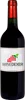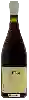
Winery André CherrierAndre Cherrier Clos Rousseau Santenay 1er Cru
 Red wine



This wine generally goes well with
Details and technical informations about Winery André Cherrier's Andre Cherrier Clos Rousseau Santenay 1er Cru.
Discover the grape variety: Mauzac
Mauzac is a grape variety, black or white (the white one is better known), originating from the South-West. It is mainly cultivated in the vineyards of Gaillac and Limoux (where it is called blanquette), on about 5,000 hectares. mauzac has medium-sized bunches, composed of berries whose colour can vary from green to red depending on the maturity of the grapes. This grape variety likes limestone and clay-limestone soils, and it is here that it is most productive. Its white wines are fat, with little acidity and marked by aromas of ripe apple, pear, honey, quince, vanilla and violet, typical of the great sweet wines of Gaillac. mauzac also produces the famous Blanquette-de-Limoux in rural method. In this region, Mauzac is competing with Sauvignon, Chenin and Chardonnay, especially for sparkling wines which are more similar to Champagne. It is also used in some appellations such as Entre-deux-Mers, Sainte-Foy-Bordeaux, Côtes-de-Duras, Vins-de-Lavilledieu...
Last vintages of this wine
The best vintages of Andre Cherrier Clos Rousseau Santenay 1er Cru from Winery André Cherrier are 0
Informations about the Winery André Cherrier
The Winery André Cherrier is one of of the world's greatest estates. It offers 2 wines for sale in the of Santenay to come and discover on site or to buy online.

The wine region of Santenay
The wine region of Santenay is located in the region of Côte de Beaune of Burgundy of France. Wineries and vineyards like the Domaine Antoine Olivier or the Domaine René Lequin-Colin produce mainly wines red and white. The most planted grape varieties in the region of Santenay are Pinot noir, Chardonnay and Muscadelle, they are then used in wines in blends or as a single variety. On the nose of Santenay often reveals types of flavors of red fruit, stone fruit or violet and sometimes also flavors of apricot, dried fruit or almonds.
The wine region of Burgundy
Bourgogne is the catch-all regional appellation title of the Burgundy wine region in eastern France ("Bourgogne" is the French name for Burgundy). Burgundy has a Complex and comprehensive appellation system; counting Premier Cru and Grand Cru titles, the region has over 700 appellation titles for its wines. Thus, Burgundy wines often come from one Vineyard (or several separate vineyards) without an appellation title specific to the region, Village or even vineyard. A standard Burgundy wine may be made from grapes grown in one or more of Burgundy's 300 communes.
The word of the wine: Drawing (liqueur de)
In champagne and sparkling wines of traditional method, addition to the wine, at the time of bottling (tirage) of sugars and yeasts dissolved in wine. These components will provoke the second fermentation in the bottle leading to the formation of carbon dioxide bubbles.