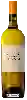
Winery Alegre WinesFot-Li Vermut Rojo
 Natural sweet wine


This wine generally goes well with beef and mature and hard cheese.

Wine flavors and olphactive analysis



On the nose the Fot-Li Vermut Rojo of Winery Alegre Wines in the region of Castille often reveals types of flavors of non oak, earth or oak and sometimes also flavors of spices, citrus fruit.
Food and wine pairings with Fot-Li Vermut Rojo
Pairings that work perfectly with Fot-Li Vermut Rojo


Original food and wine pairings with Fot-Li Vermut Rojo
The Fot-Li Vermut Rojo of Winery Alegre Wines matches generally quite well with dishes of beef or mature and hard cheese such as recipes of spaghetti squash bolognese style or 4 cheese fondue.
Details and technical informations about Winery Alegre Wines's Fot-Li Vermut Rojo.
Discover the grape variety: Grenache Gris
Structured and rich whites and rosés with a pale salmon or golden robe, full mouthfeel and moderate acidity, with aromas of yellow fruits (pear, peach), candied citrus, white flowers, fennel, garrigue and schist mineral notes. Good ageing potential. Star of the great identity whites of Roussillon (Côtes du Roussillon AOC, Collioure AOC) on schist soils. A grey-skinned mutation of the Aragonese Grenache Noir.
Last vintages of this wine
The best vintages of Fot-Li Vermut Rojo from Winery Alegre Wines are 2019, 0
Informations about the Winery Alegre Wines
The Winery Alegre Wines is one of of the world's greatest estates. It offers 2 wines for sale in the of Castille to come and discover on site or to buy online.

The wine region of Castille
Cradle of great Castilian reds, high-altitude plateaus (450-1000 m) along the Duero. Tempranillo king (aka Tinta de Toro, Tinto Fino): powerful, concentrated, structured reds with notes of black cherry, plum, leather, tobacco and spice, firm tannins from altitude and cool nights. Stars: Ribera del Duero (Vega Sicilia, Pingus), fleshy Toro, Bierzo (floral, mineral Mencía). Lively, herbaceous Verdejo whites from Rueda.
The word of the wine: Old vines
There are no specific regulations governing the term "vieilles vignes". After 20 to 25 years, the yields stabilize and tend to decrease, the vines are deeply rooted, and the grapes that come from them give richer, more concentrated, more sappy wines, expressing with more nuance the characteristics of their terroir. It is possible to find plots of vines that claim to be a century old.